Understanding Zone 6a and 6b Shifts in Central Missouri
Central Missouri gardeners may see nearby areas labeled 6a or 6b and wonder whether that small map shift should change what they plant or when they plant it. The distinction helps describe winter cold, but it is not a planting calendar or a guarantee that every garden in a mapped area experiences the same conditions. Here’s how to use the zones without overreading them.
What Zone 6a and 6b Mean
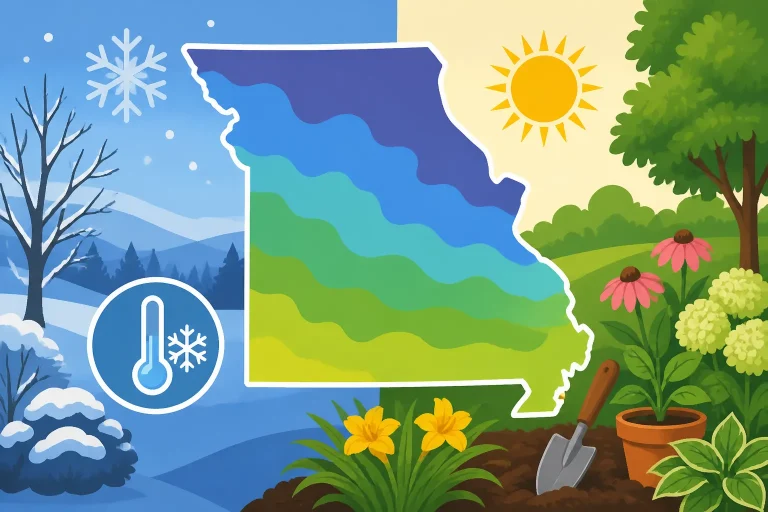
The USDA Plant Hardiness Zone Map groups areas by winter cold, helping gardeners compare the conditions plants may need to tolerate. On the USDA 2023 map, zone 6 is divided into half-zones 6a and 6b, according to the University of Missouri Integrated Pest Management Program. The two labels describe subdivisions of zone 6, not entirely separate climates.
Most of Missouri is in USDA 2023 zone 6, with an average winter low temperature from 0 to -10 degrees F, according to the University of Missouri Integrated Pest Management Program. That broad state-level description is useful background, but it does not mean every community, yard, or planting bed has the same winter exposure.
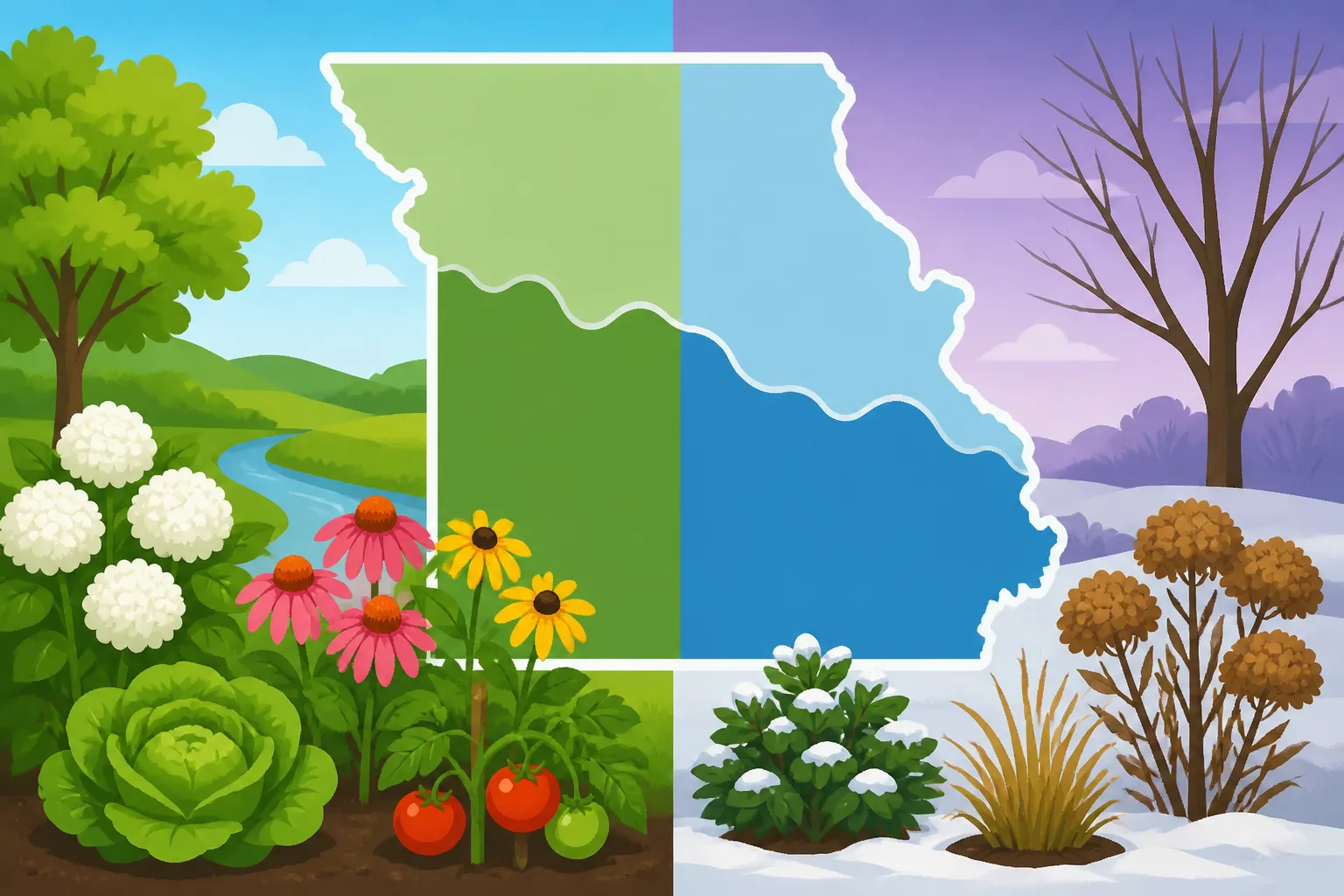
The letters distinguish the colder and warmer half of a zone. Zone 6a is the colder half; zone 6b is the warmer half. A shift to the next warmer half-zone means the area warmed somewhere in the range of 0-5 degrees Fahrenheit, according to the University of Missouri Integrated Pest Management Program. That is a description of the map’s temperature bands, not a promise that a particular winter will be mild.
In practical terms, a plant rated for a warmer zone may be more vulnerable to cold in a 6a location than in a 6b location. But a zone label is only one part of plant choice. The map does not capture every feature of a garden, and it cannot predict the specific cold conditions a plant will face in an individual winter.
For broader context on what these labels can and cannot tell you, see What Hardiness Zones Actually Tell Missouri Gardeners. If you want to understand how the zone map relates to spring planting, Why Hardiness Zones Differ From Spring Planting Dates covers that distinction.
Why Zone Boundaries Shift Across Central Missouri
A map boundary can appear precise even when the landscape is not. Central Missouri includes varied terrain and growing conditions, and a mapped transition between 6a and 6b should be read as a regional guide rather than a fence line separating two uniform climates.
The distinction can matter when comparing garden sites that are relatively close together. A sheltered yard, an exposed ridge, a low spot, and an urban lot may experience different winter stresses, even if a map places them in the same half-zone. Nearby buildings, tree cover, wind exposure, slope, and cold-air movement can all affect how a planting site behaves. These features do not change the map label, but they can influence the conditions a plant actually encounters.
Cold air often settles in lower areas, while slopes and higher ground may drain cold air differently. Buildings and fences can reduce exposure in some places, yet also create pockets where heat or wind behaves differently. A garden beside a warm wall may experience a different pattern from an open bed nearby. These effects are local; they do not justify assigning a hardiness zone to a specific address based on one feature alone.
The map’s half-zone shift also represents a range, not a sudden biological change at a boundary. A plant does not become safe the moment a garden is classified as 6b, nor does a 6a label mean every borderline plant will fail. Winter conditions vary, and plant survival depends on more than the label attached to the area.
That is why it can help to consider both the map and what happens in your own yard. Keep notes about which plants come through winter, where damage appears, and whether certain beds are consistently more exposed. A pattern over several seasons is more useful than reacting to one unusual winter.
If you are trying to locate your area on the map, Find Your Missouri Hardiness Zone by ZIP Code can help you get oriented. Treat the result as an area-level reference, then consider the specific conditions of your planting site. For a closer look at how regional cold patterns vary, see Hardiness Zones of Central Missouri and Statewide Areas.
What a Hardiness Zone Can and Cannot Tell You
A hardiness zone is primarily a tool for judging whether perennial plants are likely to withstand winter cold in a region. It can help narrow choices when comparing trees, shrubs, and perennial flowers. If a plant is rated for colder conditions than the area where it will grow, it may be a safer choice for winter survival than one rated only for warmer conditions.
The map is not a schedule for sowing seeds, setting out vegetable transplants, or planting annual flowers. It does not tell you whether the soil has warmed, whether a late spring freeze is likely, or whether a tender crop can handle a cold night. A 6b label does not mean that warm-season vegetables are ready to go outdoors earlier than in 6a. Those decisions depend on seasonal weather, crop tolerance, soil conditions, and the risk of frost or freezes.
It is also not a forecast. The label describes an average pattern used for regional comparison; it does not rule out colder-than-usual winters or guarantee that every plant will survive a particular season. Plant health, establishment, drainage, exposure, and care can affect the outcome. A marginally hardy plant may survive for years and then suffer damage during a severe cold spell. A plant suited to the area may still struggle in poorly drained soil or an exposed location.
| Question | What the zone can help with | What to check separately |
|---|---|---|
| Will a perennial plant tolerate winter? | Compare its hardiness rating with the area’s zone | Site exposure, drainage, establishment, and winter conditions |
| Is it time to plant vegetables outdoors? | Very little by itself | Crop needs, soil warmth, frost risk, and the local planting window |
| Will a plant thrive in a particular bed? | Provide broad regional context | Sun, soil, moisture, wind, and the bed’s microclimate |
| Does a warmer half-zone remove cold risk? | Indicate a comparatively warmer map band | Winter variability and the plant’s actual growing conditions |
For spring vegetables, use a planting calendar based on crop timing and local frost considerations rather than relying on a hardiness label. Spring Planting in Missouri: Timing Around Late Frosts and Missouri Vegetable Planting Dates: Regional Timing for Every Crop address those decisions. For a general seasonal overview, Missouri Frost Dates and Hardiness: Master Planting Calendar brings the two kinds of planning together.
How to Use the Zone When Choosing Plants
Use the 6a or 6b label as a starting point for narrowing plant choices, not as the only test. Check the plant’s stated hardiness range and consider how much winter risk you are willing to accept. A plant whose listed range includes colder conditions may offer more margin than one suited only to warmer areas, especially in a site that is windy, exposed, or prone to cold-air pooling.
For a plant near the edge of its listed range, think about where it will go before you buy or plant it. A sheltered location can reduce exposure, while a low, wet, or windy site may create added stress. Neither a favorable position nor a 6b map label guarantees survival, but site selection can make a meaningful difference to the conditions a plant faces.
Pay attention to drainage as well as cold. Winter damage can be more likely when roots sit in wet soil or the planting site stays poorly drained. A plant that is generally hardy in the region may still perform poorly if the soil and exposure do not suit it. If the site is uncertain, look for a plant with a wider tolerance for local conditions rather than relying on a borderline rating alone.
It is sensible to evaluate plants by purpose:
- Perennials and woody plants: Use the zone as a first check on winter tolerance, then consider the plant’s preferred soil, moisture, and exposure.
- Vegetables: Use crop-specific planting windows and frost tolerance. The hardiness map does not establish a safe outdoor date.
- Annual flowers: Consider their sensitivity to cold and the actual seasonal forecast, not just the garden’s half-zone.
- Container plants: Remember that roots in containers can face different exposure from roots in the ground. The map does not account for the container’s placement or protection.
If the plant is valuable, difficult to replace, or close to the edge of its hardiness range, avoid basing the decision on a single map label. Consider a more sheltered planting spot, choose a hardier alternative, or wait until you have more confidence in the site’s conditions. For vegetable transplants specifically, When to Start Seeds Indoors and Transplant Outdoors in Missouri helps separate indoor starting from outdoor timing.
A Practical Way to Plan Around 6a and 6b
A useful approach is to combine the zone map with seasonal information and observations from your own garden. The map offers a broad view of winter cold; a planting calendar helps with timing; and your site notes show where local conditions differ.
- Check the map for your area. Use the zone as a broad regional reference. Avoid treating a boundary as a precise description of every yard on either side.
- Identify what you are planting. For trees, shrubs, and perennials, compare winter hardiness. For vegetables and annuals, focus on crop-specific timing and tolerance of cold.
- Assess the planting site. Note whether it is sheltered or exposed, higher or lower, sunny or shaded, and well drained or prone to standing water.
- Look for local planting guidance. Use a Missouri calendar that accounts for crop and region rather than trying to translate 6a or 6b directly into a planting date.
- Keep observations. Record winter damage, spring emergence, and differences between beds. If a particular spot repeatedly suffers cold injury, treat it as a more challenging microclimate than the zone label alone suggests.
- Review plans when conditions change. A season’s weather may differ from the average represented by the map. Adjust outdoor planting decisions to current conditions and crop needs.
For spring vegetables, When to Plant Spring and Fall Vegetables in Springfield offers a regional example of crop-focused timing. If your question is specifically about tender crops, Is It Too Early to Plant Tender Crops in Missouri? can help you weigh the risks. The key is to use each resource for the question it answers: zones for broad winter hardiness, and planting calendars and weather information for timing.
A warmer half-zone can be useful when comparing plant options, especially for plants that are close to their cold tolerance. It should not be treated as permission to ignore local exposure or seasonal conditions. Likewise, a colder half-zone does not mean a garden cannot support a wide range of plants. It simply calls for more attention to plant hardiness and to the conditions of the specific site.
Frequently Asked Questions
Does a 6b label mean a plant will survive every winter?
No. It indicates a comparatively warmer half of zone 6, but individual winters and garden conditions vary. A plant’s hardiness rating, site exposure, drainage, and establishment all matter.
Does zone 6b mean I can plant vegetables earlier than in 6a?
Not by itself. A hardiness zone is not a spring planting date. Check crop-specific guidance and local frost and soil conditions before planting outdoors.
Should I avoid plants that are suited to warmer zones?
Not necessarily, but they may carry more winter risk, particularly in an exposed or cold-prone spot. Consider a sheltered location or a hardier alternative if winter survival is a priority.
Why does my garden seem colder than the zone on the map?
A map provides regional context, while a garden has its own exposure, terrain, drainage, and nearby structures. A low or exposed site can experience more stress than a sheltered spot in the same mapped area.
Disclaimer
This article is for general informational purposes only and does not constitute professional advice. Laws, prices and regulations vary by location and change over time. Consult a qualified professional for guidance on your specific situation. Missouri Gardening Guide is not a government agency and is not affiliated with any university extension, state department of agriculture or other government agency.