Springfield Missouri Planting Calendar for Home Gardens
A Springfield garden can move from chilly soil to summer heat quickly, and a warm stretch does not guarantee that frost risk has passed. The most useful calendar combines local freeze probabilities with soil condition, crop tolerance, and the weather ahead. Use it to decide what to sow, what to protect, and when to hold tender plants back rather than relying on a single date.
How to use a Springfield planting calendar
A planting calendar is a planning tool, not a promise that the weather will cooperate. It helps organize tasks into workable windows, but the best day to plant depends on what you are growing and what is happening in your garden. Air temperature, soil temperature, moisture, drainage, and the forecast all affect whether seeds and transplants get off to a good start.
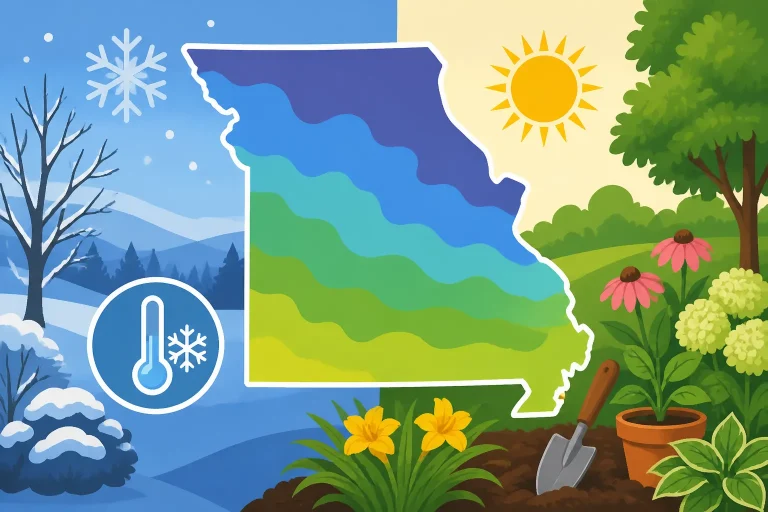
At the Springfield, Missouri, weather station, NOAA National Centers for Environmental Information lists the 1991–2020 normal last spring freeze (32°F) at 50% probability as 04/09 (April 9). That probability describes a chance, not a guarantee: a spring freeze can still occur later, and the timing varies from year to year. A nearby garden may also experience different conditions from the weather station, particularly if it sits in a low spot or is exposed to wind.
For fall planning, at the Springfield, Missouri, weather station, NOAA National Centers for Environmental Information lists the 1991–2020 normal first fall freeze (32°F) at 50% probability as 10/27 (October 27). Treat that as a planning reference rather than a fixed deadline. A freeze can arrive earlier or later, and a garden’s exposure and elevation can change how quickly cold settles around plants.
The dates describe freeze probabilities, not a guaranteed frost-free season. They also do not tell you whether soil is ready for planting. A bed can be too wet to work even when the air feels mild, while a sunny raised bed may warm sooner than heavy ground soil. Before acting on a calendar entry, check the actual bed and the short-term forecast.
A useful decision sequence is:
- Identify the crop and whether it tolerates cool conditions or needs warm weather.
- Check the seed packet or transplant tag for planting guidance, germination information, and days to maturity.
- Inspect the bed: is the soil workable, draining, and warm enough for the crop?
- Look at the forecast, including night temperatures and possible cold snaps.
- Decide whether to plant, wait, or use protection that is appropriate for the conditions.
- Record what you planted and how it performed so you can adjust your own calendar next season.
The freeze probability is only one part of the decision. A hardy leafy crop may cope with a cool spell that would badly stress a tender plant. Even among crops that are broadly similar, seeds and transplants can respond differently. For help relating average freeze timing to planting choices, see Missouri Frost Dates and Hardiness: Master Planting Calendar and Why Hardiness Zones Differ From Spring Planting Dates.
Winter planning and early garden preparation
Winter is a useful time to plan the garden without trying to force plants into cold, wet soil. Begin with the layout. Note which beds receive the most sun, where water tends to collect, and whether tree or building shade changes over the day. A crop that performs well in a sunny open bed may struggle in a shaded corner, and a soggy low spot may remain cold and difficult to work after other beds are ready.
Use past notes, photographs, and seed packets to decide what you want to grow. Think about how much produce your household uses, whether you want quick salads or crops for storage, and how much time you can give to watering, harvesting, and pest checks. It is easy to plan more than a home garden can comfortably support. A modest, well-maintained planting is often more useful than a crowded garden that becomes difficult to weed and harvest.
A simple garden record can include:
- Crop and variety
- Where it was planted
- Whether it was direct-sown or transplanted
- Approximate planting conditions
- Germination or transplant performance
- Problems such as poor drainage, pest damage, or heat stress
- Harvest quality and whether the crop fit your needs
Avoid writing your plan around a calendar date alone. Instead, note a window and the conditions that need to be present. For example, a note might say “sow when the bed is workable and the forecast looks settled” rather than treating a particular day as a deadline. This makes the plan easier to use in a spring that is unusually wet, cold, or warm.
Winter is also a good time to review seed supplies and check whether saved seed is still in usable condition. Follow the storage and planting guidance supplied with seed. If you are buying seed, choose crops and varieties suited to your goals, and do not assume that a familiar name guarantees good performance in every garden. Local conditions, disease pressure, sunlight, and watering habits all matter.
Decide early whether you will start crops indoors or buy transplants. Indoor sowing can give you more choice and control, but it requires suitable light, space, and attention to watering. Buying transplants saves the indoor-starting work, though selection may be narrower and plants may need careful hardening before they go outside. The choice depends on the crop, your setup, and how much time you want to spend tending seedlings. Starting Seeds Indoors vs Buying Garden Transplants offers a useful comparison, while When to Start Seeds Indoors and Transplant Outdoors in Missouri helps connect indoor starts with outdoor conditions.
Prepare tools and beds only when the soil is in a condition that will not be damaged by working it. Squeezing or digging wet soil can compact it and leave clods that are difficult to manage. If soil clings heavily to a shovel or collapses into a sticky mass, let it dry before digging or cultivating. A calendar cannot make wet soil ready.
Use the quieter season to check basic garden infrastructure. Make sure hoses, watering cans, supports, cages, and row-cover materials are in usable condition. Decide where supplies will be stored so that a sudden cold night does not find you searching for protection. For raised beds, inspect the bed structure and make sure the growing medium is not compacted or washing out. Raised Garden Beds: Costs, Upkeep, and Moisture Needs covers some of the practical trade-offs of raised beds.
Spring planting: work from crop tolerance and conditions
Spring planting is best approached in stages. Cool-tolerant crops can often be considered before tender warm-season crops, but “early” does not mean planting into ground that is saturated or unworkable. Seeds need conditions that support germination, and transplants need to establish roots rather than sit in cold, wet soil.
Start with the bed itself. Is the soil crumbly enough to prepare without smearing? Does water drain away, or does it remain standing after rain? Is the bed exposed to cold wind, or does it receive shelter and sun? These details can matter more than a general calendar window. A warm afternoon may make the garden feel ready, but the soil may still be cold below the surface.
Cool-season crops are generally the first group to consider. Leafy greens and other crops that tolerate cooler conditions may be more suitable for an early planting than crops that need warmth. Still, check the specific crop’s instructions. A plant that tolerates cool weather may not tolerate repeated hard freezes, and young seedlings can be more vulnerable than established plants.
Direct sowing and transplanting are different decisions. Seeds placed in cool soil may germinate slowly or unevenly, while a transplant may be stressed by a sudden change in temperature, wind, or moisture. Direct-sown crops avoid transplant shock but depend on suitable soil conditions for emergence. Transplants can provide a head start, but they need gradual exposure to outdoor conditions before planting. For the transition process, see Hardening and Transplanting Missouri Spring Crops Outdoors.
Do not infer that a mild stretch has ended spring freeze risk. If a cold night is forecast, consider postponing a tender planting or protecting plants as appropriate. Protection can reduce exposure, but it is not a guarantee against every freeze. A cover must be suitable for the plants and secured so it does not damage them; follow the product instructions for any purchased material. For practical options, see Emergency Frost Protection Covers for Tender Missouri Seedlings and Protecting Early Transplants When Chilly Spring Nights Return.
Pay attention to microclimates. A south-facing wall may warm earlier than an open bed, while a hollow or low-lying garden area can collect cold air. A raised bed often drains differently from ground-level soil, but it can also dry out more quickly. A slope may shed cold air differently than a flat area. These are reasons to observe your own site, not reasons to assume that any location is automatically safe. Do River Bottom Garden Plots Frost Earlier Than Higher Ground? and Why Elevation Changes Freeze Timing Across Rolling Landscapes discuss how site features can influence garden conditions.
When planting, avoid crowding seedlings. Follow spacing guidance on the seed packet or plant tag and make room for airflow, access, and mature growth. Overcrowded plants compete for light and water and can be more difficult to inspect. If you are unsure how much of a crop your household will use, start with a manageable planting and add more later if conditions and space allow.
Keep a simple record of each planting. Note whether the seed emerged, whether transplants settled in, and whether any cold spell caused damage. Those observations help distinguish a problem with timing from one with seed quality, soil conditions, or watering. The aim is not to follow a perfect schedule; it is to learn which decisions work in the conditions your garden actually experiences.
Moving from spring into summer crops
Warm-season crops need a different approach from cool-season plantings. Tomatoes, peppers, cucumbers, melons, beans, and other tender crops are more vulnerable to cold conditions and generally perform better when the soil and weather are warm enough for steady growth. A bright, warm day by itself does not establish that the risk of a cold night has passed.
Use the crop’s instructions and the forecast together. Seed packets and transplant tags can provide guidance about outdoor planting, soil warmth, spacing, and maturity. Match that information with the conditions in your garden. If nights remain cold or a sudden chill is forecast, waiting can be less costly than putting stressed plants into the ground too soon. A seedling that is merely waiting indoors may be easier to manage than a transplant that has been set out and then repeatedly exposed to cold.
If you start plants indoors, harden them off gradually. Indoor seedlings are used to controlled light, airflow, and temperature. Moving them directly into full sun and wind can cause stress even when the calendar seems suitable. Increase their exposure over time and watch for signs that they are struggling. Keep them watered appropriately, but do not leave them sitting in saturated containers.
For warm-season transplants, prepare the planting site before removing the plant from its container. A plant left exposed while you finish bed preparation can dry out or become stressed. Handle the root ball carefully, plant according to the crop’s guidance, and water in a way that helps settle the soil around the roots without leaving the bed waterlogged. A newly transplanted plant may need closer observation than an established one, especially during a windy or hot spell.
Direct-sown warm-season crops also need attention. If soil conditions are cool or overly wet, seeds can take longer to emerge or fail to establish evenly. Follow the packet’s sowing directions and avoid assuming that a calendar window overrides the condition of the soil. If the bed is wet and cold, waiting for better conditions may lead to more uniform emergence.
Planting every warm-season crop at once is not necessary. Staggered sowing can spread out harvests and reduce the chance of having too much produce ready at the same time. It can also give you a chance to see how the season is developing before committing more bed space. Check the crop’s maturity guidance and the remaining season before making a later planting. Missouri Succession Sowing for April-to-October Vegetable Beds and When to Plant Green Beans: Soil Temps and Missouri Timing provide crop-specific planning considerations.
A calendar should also account for how much space each crop needs after it grows. Tall crops can shade shorter ones, and sprawling vines can take over paths or neighboring beds. Plan supports and access before planting. Make sure you can reach plants for watering, pruning if appropriate, pest checks, and harvest. If your garden is small, prioritize crops that your household enjoys and that fit the available light and space. Vegetables That Maximize Yields in Small Missouri Yards can help with that choice.
Summer care and a productive midseason garden
Once warm-season plants are growing, the calendar shifts from planting dates to steady maintenance. Summer weather can bring heat, dry spells, heavy rain, and sudden changes in conditions. A garden that was well timed in spring can still struggle if roots dry out, water stands around them, or plants are crowded.
Check soil moisture rather than relying only on the appearance of the surface. The top layer can dry quickly while deeper soil remains moist, or a light shower can wet leaves without supplying much water to the root zone. Where possible, inspect the soil near the plants and water in a way that reaches the roots. The right approach depends on soil texture, bed depth, rainfall, and whether plants are in the ground or in containers. Using a Screwdriver to Test Deep Root Soil Moisture and Did That Quick Summer Rain Really Water Your Garden? explain why surface appearance can be misleading.
Containers need especially close attention because they have less soil volume than a garden bed and may dry more quickly. Check container plants often during hot or windy weather, and make sure excess water can drain. A container that stays waterlogged can cause problems just as a dry one can. Match watering to what the plant and potting medium need rather than following a fixed routine.
Mulch can help moderate soil conditions and reduce weed pressure, but it should be used thoughtfully. Keep materials from smothering plant stems, and use a type suited to the bed and crop. Mulch does not replace checking soil moisture, and a layer that is too thick or poorly placed can create other problems. Using Mulch for Disease Prevention and Weed Suppression discusses its practical uses and limitations.
Inspect plants regularly, preferably before problems become widespread. Look at leaf surfaces, stems, and the soil around the base. Watch for changes in growth, discoloration, wilting, holes, or unusual spots. A symptom can have several causes, including water stress, nutrient imbalance, disease, or insect activity, so avoid treating a plant based on one clue alone. Identify the likely cause before choosing a response. Diagnosing Plant Health Problems in Missouri Gardens and Identifying Common Pest Damage on Garden Transplants can help with early assessment.
Keep paths and beds accessible. Harvesting can become difficult when plants spill into walkways or supports block access. Picking crops when they are ready can encourage continued production for some vegetables and can prevent overmature produce from becoming difficult to use. Follow crop-specific harvest cues rather than assuming that size alone tells you when a vegetable is ready. Regular harvesting also gives you an opportunity to notice damage and remove produce that is no longer in good condition.
Avoid treating a calendar as a reason to apply fertilizer or pest products automatically. Plants may need different care depending on soil conditions and what is actually happening. If you use a pesticide, herbicide, or fertilizer, follow the product label, which is the legal instruction for use. For questions about a particular plant problem, consult a qualified local gardening professional or the appropriate extension office.
Summer is also a chance to evaluate what is working. If a crop performs poorly in a particular bed, note whether shade, moisture, crowding, pests, or drainage may have contributed. If a crop is thriving, record the location and conditions. These notes are more useful for next season than a simple entry saying that a crop was planted in spring.
Planning fall crops and finishing the season
Fall planting works backward from the crop’s needs and the likely arrival of cold weather. A seed packet’s days-to-maturity information is a planning aid, but it is not a guarantee. Germination and growth can slow as days shorten and temperatures cool. A crop started later than planned may not reach harvest before a damaging freeze, even if its label suggests a short growing period.
The Springfield fall freeze reference can help frame the season, but it should not be treated as a deadline for every crop. Some plants tolerate cool weather better than others, and a light frost may affect crops differently from a stronger freeze. Consider the crop’s tolerance, the time it needs to mature, the exposure of the bed, and the forecast. If you are planning a late sowing, choose crops and varieties that fit the remaining growing conditions rather than hoping that a warm spell will continue.
For fall vegetables, count backward from the expected harvest window using the seed packet’s maturity information, then build in room for slower growth and weather variability. This is a planning method, not a promise of a specific harvest date. When in doubt, select a crop that can be harvested at a smaller stage or one that tolerates cool conditions. Fall Crop Schedules: Counting Back From Your Average First Freeze and Timing Missouri Fall Greens and Roots by Region Planting Dates offer more focused scheduling advice.
Prepare the bed before sowing. Remove finished crops and weeds, check that the soil is workable, and water the bed if it is dry enough to impede germination. Avoid sowing into soil that is too wet to work. If you are reusing a bed, consider whether previous crops have left plant residue or disease problems that could affect the next planting. Healthy garden practices help prevent problems from carrying over.
A succession planting can make fall beds more productive, but only if there is enough time for the crop to establish. Starting with a small area can be sensible when the remaining season is uncertain. Keep track of emergence and growth so you can decide whether to continue sowing or use the space for another purpose. Planning and Sowing Dates for Both Spring and Fall Vegetable Harvests is helpful for gardeners who want to plan both seasons together.
As colder weather approaches, harvest crops according to their needs and condition. Some vegetables can remain in the garden through cool weather, while tender crops may need to be picked before a freeze damages them. Do not wait until every plant is visibly declining to assess what can be harvested. Check the forecast and the crop’s maturity, then prioritize produce that is ready and vulnerable.
At the end of the season, remove or manage plant material based on its health. Diseased residue should not be handled the same way as healthy, clean plant debris. Clear paths and organize supports and tools so they are ready for the next season. Record what was harvested, what failed, and what you would change. A practical calendar becomes more accurate when it includes observations from your own beds, not just average dates.
Building a calendar around your own garden
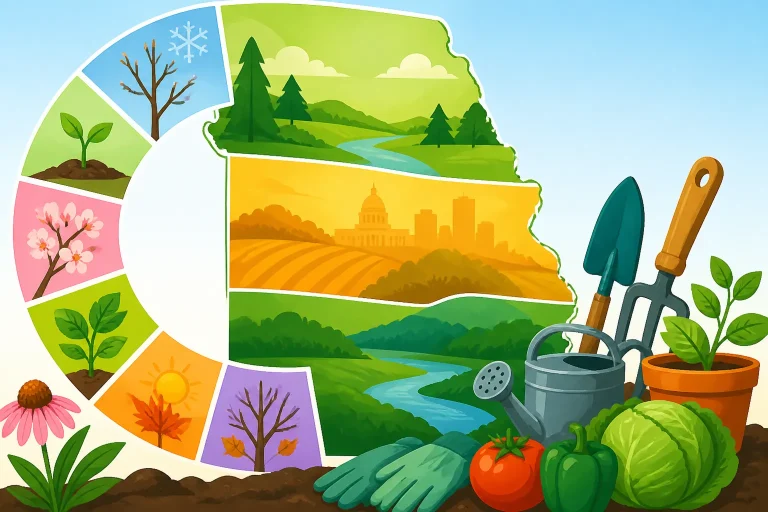
A useful Springfield calendar does not have to be complicated. It needs to help you make decisions at the right time while leaving room for the season to vary. Organize your plan by crop group and growing conditions, then use local weather information and direct observation to refine it.
You might organize your notes into broad windows:
- Planning season: choose crops, review past results, prepare supplies, and decide which plants to start indoors.
- Early outdoor window: assess soil workability and consider crops that can handle cooler conditions.
- Warm-season window: wait for suitable soil and weather before setting out tender crops.
- Growing season: monitor moisture, weeds, plant health, and harvest readiness.
- Fall window: count backward from the likely end of the season and choose crops that can mature under cooling conditions.
- Season close: harvest vulnerable produce, manage plant residue, and record what you learned.
These are categories, not fixed dates. A warm, dry spring may open one kind of opportunity sooner than a wet, cold spring. A shaded garden may lag behind a sunny exposed bed. A protected site may warm differently from an open field, but protection does not remove all risk. Let your calendar point you toward the next decision, then verify that the garden is ready.
Use the forecast for short-term decisions, especially when planting tender crops or expecting a cold snap. A seasonal normal is useful for understanding probability over time; a forecast helps assess immediate conditions. Neither one can promise exactly what will happen in a particular garden. For a closer look at how freeze probability can inform timing, see Using Spring Freeze Probabilities to Schedule Planting and Can You Plant Before the Last Spring Freeze Risk Clears?.
Keep crop instructions close at hand. Seed packets and plant tags commonly provide details specific to the crop or variety, such as sowing depth, spacing, germination conditions, and maturity guidance. Those recommendations are more useful than applying one general rule to every vegetable. If the packet is missing or unclear, seek advice from a reliable local source rather than guessing at a critical instruction.
For gardeners who want a more crop-by-crop plan, Missouri Vegetable Planting Dates: Regional Timing for Every Crop can complement this Springfield-focused calendar. Spring Planting in Missouri: Timing Around Late Frosts is useful when the main concern is how to handle an unsettled spring. If a plant is already struggling, use diagnosis rather than planting dates alone to determine what may be wrong.
The most reliable routine is to observe and adjust. Check the soil before preparing it, watch the forecast before exposing tender plants, and look at crops regularly once they are growing. Write down the outcome. Over time, those notes can show which parts of the garden run cold, where water drains poorly, and which crops fit your household and site.
Frequently Asked Questions
Should I plant based on April 9 alone?
No. The spring reference is a probability, not a guarantee that frost risk ends on that day. Use the forecast, soil condition, and the crop’s cold tolerance together, and be prepared to wait or protect tender plants.
Does October 27 mean every crop must be harvested by then?
No. It is a local planning reference for the normal first fall freeze probability, not a universal harvest deadline. Crop tolerance and garden exposure differ, so check what you are growing and the forecast.
Is a warm afternoon enough to plant tender vegetables?
Not by itself. Tender crops can be stressed by cold nights or cold soil even after a warm afternoon. Follow crop guidance and assess the conditions that plants will face after planting.
What should I do if spring soil is wet?
Wait until the bed is workable before digging or cultivating. Working saturated soil can compact it and make planting more difficult. Drainage and drying time vary by garden.
How can I make the calendar more accurate next season?
Keep notes on planting conditions, emergence, weather-related damage, harvests, and problems. These observations help you adjust for your own garden’s sun, drainage, and exposure.
Sources
- NOAA National Centers for Environmental Information — NOAA NCEI 1991–2020 Climate Normals — Springfield, Missouri (checked November 14, 2026)
Disclaimer
This article is for general informational purposes only and does not constitute professional advice. Laws, prices and regulations vary by location and change over time. Consult a qualified professional for guidance on your specific situation. Missouri Gardening Guide is not a government agency and is not affiliated with any university extension, state department of agriculture or other government agency.