Hardiness Zones in Northern Missouri: Cold Limits and Care
Northern Missouri gardeners often need to know whether a plant can handle winter cold, but a hardiness zone is not a planting date or a promise about how a particular yard will perform. The statewide map is a useful starting point; local exposure, soil, and spring weather still matter. Here’s how to use the zone information without asking it to answer questions it was not designed to solve.
What a hardiness zone tells you in northern Missouri
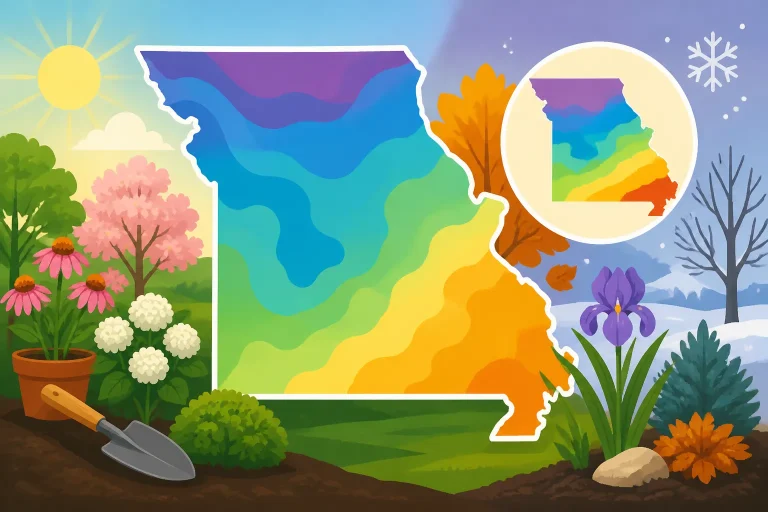
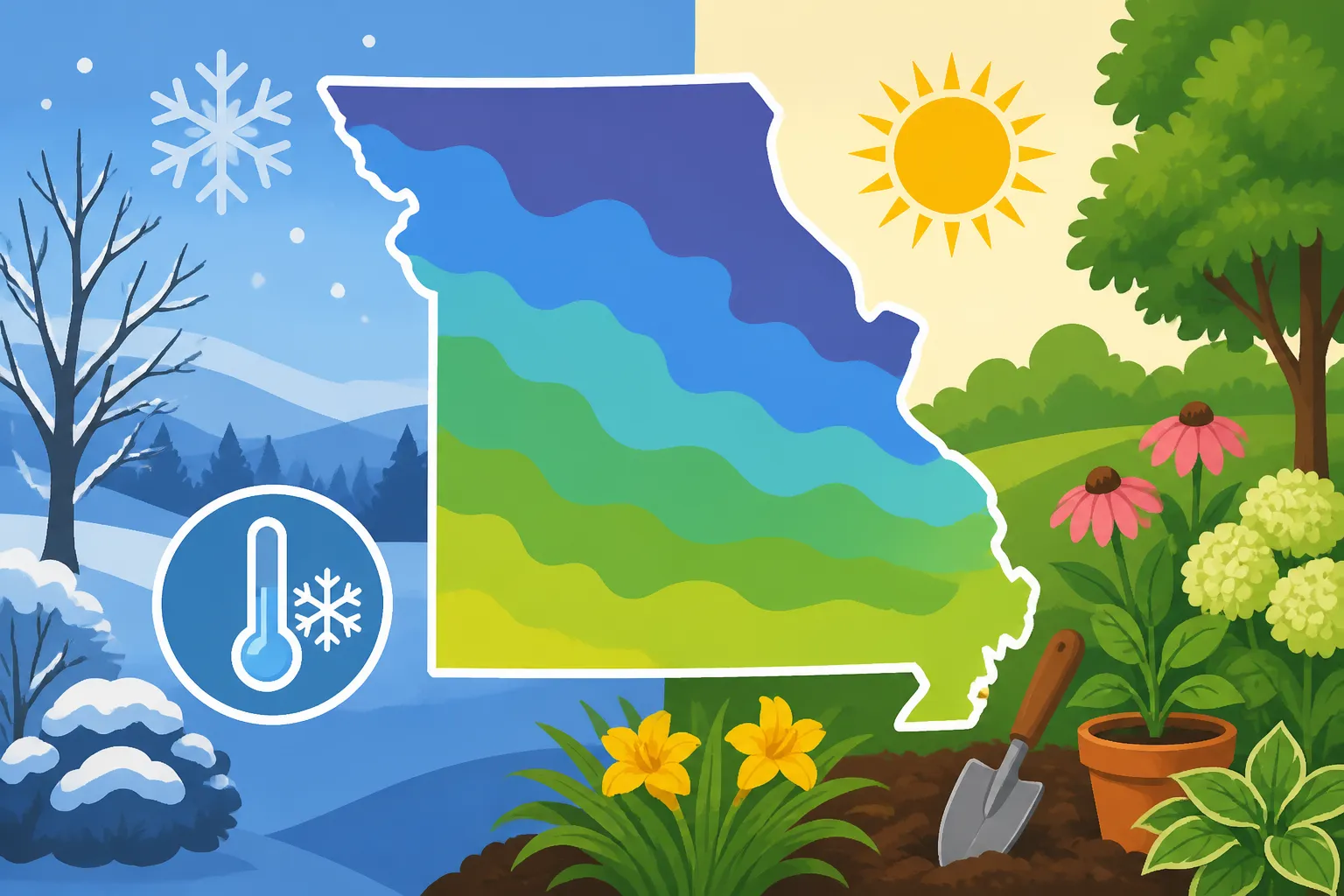
The 2023 USDA map divides Missouri into five zones: 5b, 6a, 6b, 7a and 7b, according to University of Missouri Extension. These categories describe the cold limits used to assess whether perennial plants are likely to survive winter in a location. A zone is a helpful first filter when choosing trees, shrubs, and perennials, but it does not describe every condition that affects a plant.
Northern Missouri covers a broad area, and it is unwise to assign a hardiness zone from a general regional label alone. A location’s map designation depends on the map, not just whether it is considered northern, central, or southern Missouri. To check how the map divides the state, see Hardiness Zones of Central Missouri and Statewide Areas. For a broader explanation of what a zone does and does not tell you, read What Hardiness Zones Actually Tell Missouri Gardeners.
Think of a zone as a way to compare a plant’s winter tolerance with the general cold conditions represented on the map. If a plant is not rated for the cold that may occur in your area, winter injury or loss is a greater possibility. A plant’s rating is not a guarantee, however. Individual gardens can be warmer or colder than nearby locations, and winter conditions vary from year to year.
| A hardiness zone can help with | A hardiness zone cannot tell you |
|---|---|
| Screening perennial plants for general winter-cold tolerance | The exact temperature your yard will experience in a particular winter |
| Comparing a plant’s stated hardiness with your map designation | When the last spring frost will occur |
| Identifying plants that may need extra winter protection | Whether a plant will thrive in your soil, light, or drainage |
| Narrowing choices before checking a plant’s full growing needs | Whether a vegetable is ready to plant outdoors |
The cold limit is only one part of a plant’s needs. A perennial may be winter-hardy yet struggle in wet soil, heavy shade, or a site with strong wind. A plant suited to a sunny, well-drained spot may not succeed in a low area where water lingers. Consider the planting site as well as the zone before buying or planting.
A useful rule of thumb is to treat the map as a screening tool, not a verdict. If a plant’s label or reliable description lists a hardiness range, compare that information with the designation for your location. Then check whether the plant also needs particular soil, light, moisture, or shelter. When a plant is close to its cold limit, a protected site and sound establishment can matter, but they cannot remove all winter risk.
Why a zone is not a spring planting calendar
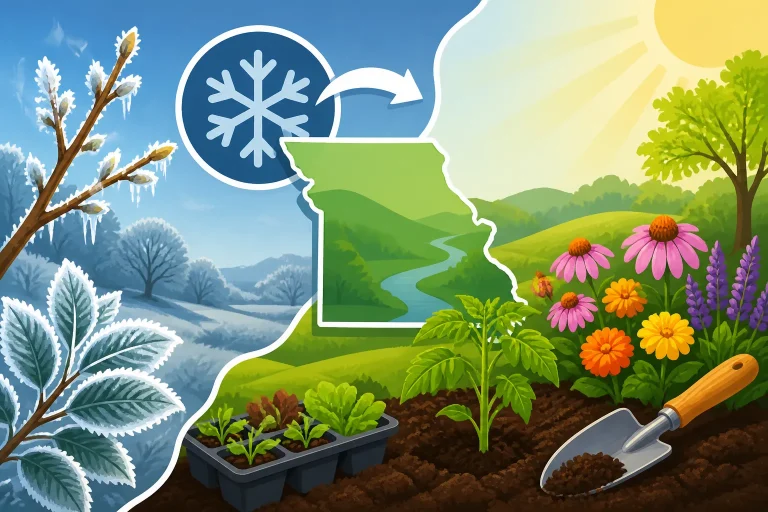
Hardiness zones focus on winter cold and the survival of perennial plants. They do not tell you when the ground is warm enough for seeds, when a tender vegetable can move outdoors, or whether a late freeze is still possible. That difference matters in northern Missouri, where a plant can be suitable for the area over the long term and still be vulnerable to a cold snap after it begins growing in spring.
Vegetable schedules call for a different kind of decision. Some crops tolerate cool conditions; others need warmer soil and nights before planting. Even a perennial that survives winter may be damaged when new shoots emerge during a warm spell and cold weather returns. For help separating the cold-survival question from spring timing, see Why Hardiness Zones Differ From Spring Planting Dates and Spring Planting in Missouri: Timing Around Late Frosts.
Frost and freeze information also answers a different question from a zone map. A hardiness designation describes a location’s general winter-cold category. A frost date is an estimate based on historical conditions, not a fixed appointment. Local weather can depart from past patterns, so use a planting calendar as a planning aid and check the forecast before making a weather-sensitive move.
Match the crop to the conditions
Before sowing or transplanting, consider the crop’s temperature preference, the condition of the soil, and the likely weather. A calendar can narrow the window, but the garden itself provides important clues. Soil that is saturated or cold can delay planting even when a date on a calendar suggests that a task is approaching. A sudden stretch of warm weather can also tempt gardeners to set out tender plants before conditions are dependable.
The planting choice depends on what you are growing:
- Cold-tolerant crops: These can generally handle cooler conditions better than tender crops, but they still need suitable soil and protection from damaging weather.
- Tender vegetables: These need more caution. Wait for conditions appropriate to the crop rather than relying on the perennial hardiness zone.
- Trees and shrubs: Their winter survival rating is relevant, but planting success also depends on the site, establishment, and care.
- Perennials: Check cold tolerance alongside moisture, drainage, light, and exposure. A plant that survives winter may still be poorly matched to the garden.
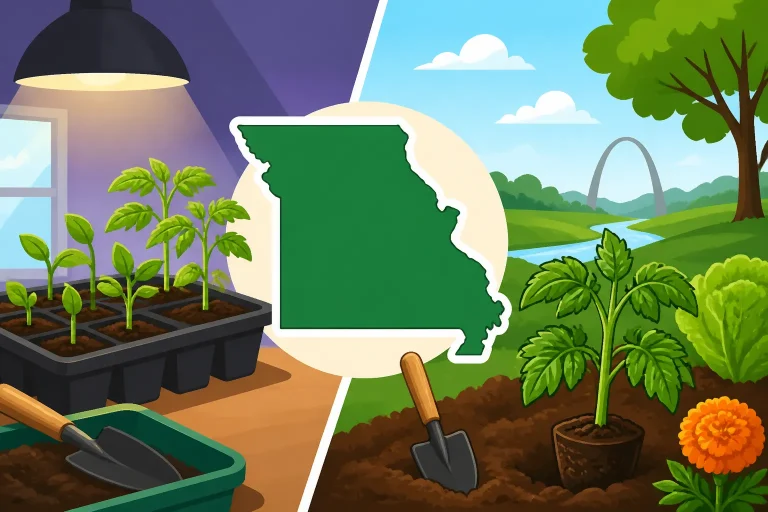
For crop-specific planning in the state, Missouri Vegetable Planting Dates: Regional Timing for Every Crop can help you think through regional timing. If you are deciding when to start seeds or move transplants, see When to Start Seeds Indoors and Transplant Outdoors in Missouri.
Pay attention to spring swings
A warm spell can bring early growth, but it does not mean the weather has settled. Newly emerged shoots and recently planted seedlings can be more exposed to a sudden return of cold than established dormant plants. Watch the forecast, and consider how the garden’s location affects exposure. A sheltered area next to a building may behave differently from an open, windy bed, but neither setting guarantees protection.
The pattern of temperature changes matters as much as the seasonal average. A quick warm-up followed by a sharp chill can stress plants that have begun active growth. Managing Seasonal Weather Swings in Missouri Vegetable Gardens offers more detail on planning around these changing conditions.
How to identify the designation for your location
Use the USDA Plant Hardiness Zone Map to check the designation for your general location rather than guessing from the region’s name. A ZIP-code search can be a convenient starting point, but a ZIP code may cover more than one kind of terrain or exposure. It should not be treated as a precise reading for an individual yard. For a practical approach, see Find Your Missouri Hardiness Zone by ZIP Code.
Once you have a likely map designation, compare it with the plant information you are considering. Retail labels and plant descriptions may show a hardiness range, but make sure you understand whether the range refers to winter survival and whether the plant has other requirements. If the information is unclear, ask the nursery or another knowledgeable plant supplier what conditions the plant needs and how it performs locally.
A careful check works like this:
- Look up the map designation for your general location. Use the current USDA map rather than relying on a neighbor’s label, an old planting note, or a broad regional assumption.
- Compare the plant’s winter rating with that designation. A plant that is marginal for the location may need a favorable site and extra attention, and it may still be at risk in a severe winter.
- Check the full growing requirements. Look for information about sunlight, soil moisture, drainage, and exposure. A suitable winter rating does not mean the plant fits every part of the yard.
- Assess the actual planting spot. Notice whether it is open to wind, shaded, prone to standing water, or affected by nearby structures and vegetation.
- Separate winter planning from seasonal timing. Use a planting calendar and current weather information for spring and fall tasks instead of using the hardiness designation as a date.
This approach is especially useful when a plant is expensive, difficult to replace, or intended to form a long-term part of a landscape. It is also sensible for a new gardener who has not yet learned which parts of the yard stay colder, drain slowly, or warm early.
A map search should not create false precision. The designation helps orient a decision; it is not a measurement of the temperature at a specific plant or a guarantee for every winter. Local conditions, changing weather, and the plant’s health all influence the outcome. If a plant is close to its stated cold limit, choosing a naturally more cold-tolerant option may be a lower-risk choice than relying on a particularly sheltered spot.
Choosing plants and managing winter risk
Start plant selection with the purpose of the planting. A windbreak, a flowering border, and a low-maintenance ground cover may each call for different plants even when they share the same winter conditions. Then narrow the choices by cold tolerance and site needs. This order helps avoid the common mistake of choosing a plant because it is attractive or labeled hardy, only to discover that it needs soil or light the yard cannot provide.
When several plants would suit the site, favor those with a comfortable margin of winter tolerance rather than choosing only plants at the edge of what the location may support. A good match can reduce the need for special protection and replacement. Consider a plant’s mature size and care needs too, especially for shrubs and trees that will be difficult to move once established.
Give plants a suitable site
The planting location can improve or undermine a plant’s prospects. A site that drains well is often a better choice than one where water stands around the roots. Strong exposure can increase stress, while a sheltered location may reduce some weather effects. But no site feature guarantees survival in every winter, and a warm, exposed spring spot can encourage early growth that may be vulnerable if cold returns.
Before planting, look at the garden over time. Note where snow or water collects, where wind hits hardest, and where the sun reaches the soil. If you are choosing trees or shrubs, also consider mature size, overhead space, and the distance from paths or structures. For more on matching plants to the setting, see Matching Missouri Native Plants to Sun, Heavy Clay, and Shade.
For edible gardens, site conditions include more than cold. A sunny bed with workable soil and dependable drainage may be more productive than a spot selected only because it seems sheltered. Raised beds and containers can change how quickly soil warms and dries, so they may need a different approach to watering and planting. They do not eliminate the risk of freezing temperatures. Raised Beds, Containers, or In-Ground: Missouri Garden Layouts compares those options.
Prepare for cold without overpromising protection
Winter care should fit the plant and its location. Maintain appropriate moisture while plants are establishing, keep the planting area clear of conditions that leave roots persistently wet, and use protective measures only when they suit the plant and the weather risk. Avoid treating a cover, mulch, or sheltered corner as a guarantee. The purpose of protection is to reduce exposure, not to change the local climate or the plant’s underlying tolerance.
Newly planted perennials, shrubs, and trees may need more attention as they establish than plants that are well rooted. Pay attention to signs of stress and the condition of the soil rather than following a fixed routine without regard to weather. For winter protection, Winter Hardiness Across Northern Missouri Counties offers additional context for cold-related care in the region.
It can also help to choose replacements thoughtfully. If a plant repeatedly struggles in an exposed or wet part of the yard, consider whether the site is the problem rather than trying the same type of plant again. A locally suitable alternative may offer better long-term results with less intervention.
Build a planting plan that accounts for local variation
A reliable plan uses more than one source of information. The hardiness map helps screen plants for winter survival. A regional planting calendar helps organize seasonal tasks. The forecast and conditions in the garden help with the final decision. These tools answer related but different questions, so one should not stand in for the others.
Keep a simple record of what you plant and where. Note the map designation you used, the plant’s listed hardiness range, the site’s light and drainage, and what happened through winter and spring. Over time, those observations can show which parts of the yard are reliable and which plants are a poor match. They can also help you distinguish cold injury from problems caused by moisture, pests, or unsuitable light.
Use a flexible seasonal plan
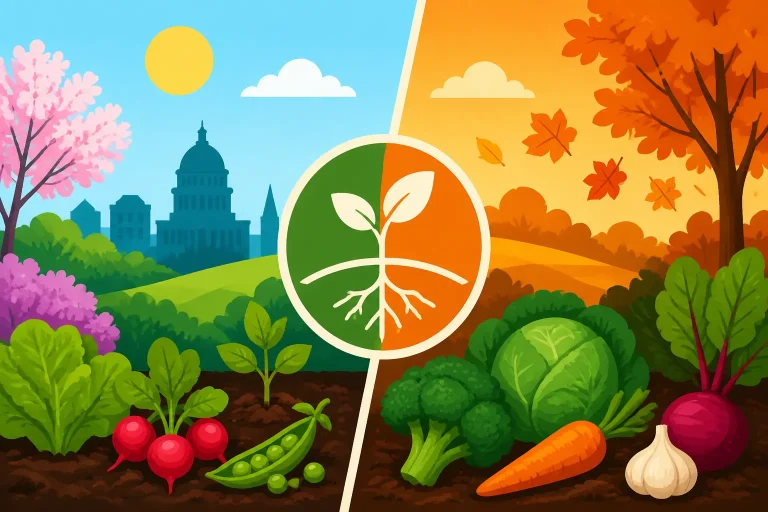
Instead of treating a calendar as a fixed schedule, use it to prepare for upcoming tasks. For spring, plan which crops can handle cool conditions and which should wait for warmer soil. For fall, consider how much time a crop needs to establish before cold weather, and check regional guidance for the crop and location. For perennial planting, choose a suitable site and give plants time to establish under conditions appropriate to them.
A flexible plan also makes it easier to respond to unusual weather. If spring becomes warm early, avoid assuming that tender plants are safe simply because the season feels advanced. If cold returns, protect vulnerable plants where appropriate and delay planting when conditions are unsuitable. For help understanding how freeze risk affects timing, see Using Spring Freeze Probabilities to Schedule Planting.
The same principle applies to fall work. A plant’s winter-hardiness rating is useful, but it does not tell you how quickly that plant establishes or whether a late planting will have enough favorable conditions. Use crop- or plant-specific advice and pay attention to the weather rather than relying on the hardiness map alone.
Review the whole site, not just the map
A map designation can guide a broad decision, but a northern Missouri garden may contain several different growing conditions. One bed may be exposed to wind; another may be protected by a structure. A low spot can stay wet, while a raised or sloping area may dry more quickly. These differences affect plant health even though the beds share the same regional map context.
When a plant struggles, look for more than cold damage. Consider whether it is receiving the light it needs, whether the soil remains wet, and whether it was exposed to a sudden temperature change after growth began. If the problem recurs, changing the plant or the site may be more effective than repeating the same care. Diagnosing Plant Health Problems in Missouri Gardens can help you think through possible causes.
The best use of hardiness information is practical and modest: narrow the choices, check the plant’s other needs, and then make a decision suited to the specific site. That reduces avoidable losses without implying that any map can predict every winter or tell you exactly when to plant.
Frequently Asked Questions
Does a northern Missouri location have one hardiness zone?
No single regional label is a substitute for checking the map for your general location. Northern Missouri includes varied local settings, and a map search is a better starting point than assuming every nearby garden has the same designation.
Can I use a hardiness zone to decide when to plant vegetables?
Not by itself. The designation is useful for evaluating perennial winter tolerance. Vegetable planting depends on the crop, soil conditions, and seasonal weather, so consult a crop-specific calendar and check local conditions.
Does a plant rated for my zone have to survive winter?
No. A rating is a useful guide, not a guarantee. Site exposure, drainage, plant health, and the weather in a particular winter can all affect whether a plant survives.
Should I choose only plants that are rated for colder conditions?
Not necessarily. Compare the plant’s rating with your location, then weigh its other needs and your willingness to manage risk. When a plant is near its cold limit, a more cold-tolerant alternative may be a safer choice.
Disclaimer
This article is for general informational purposes only and does not constitute professional advice. Laws, prices and regulations vary by location and change over time. Consult a qualified professional for guidance on your specific situation. Missouri Gardening Guide is not a government agency and is not affiliated with any university extension, state department of agriculture or other government agency.