Month-by-Month Missouri Gardening Tasks Across North, Central & South
Missouri’s gardening season does not unfold at the same pace everywhere. A task that makes sense in southern Missouri may be premature in the north, and a warm spell can make any region feel ahead of schedule. This month-by-month calendar helps you plan garden work across north, central, and south Missouri while keeping local weather, soil conditions, and crop needs in view.
Plan by region, not just by month
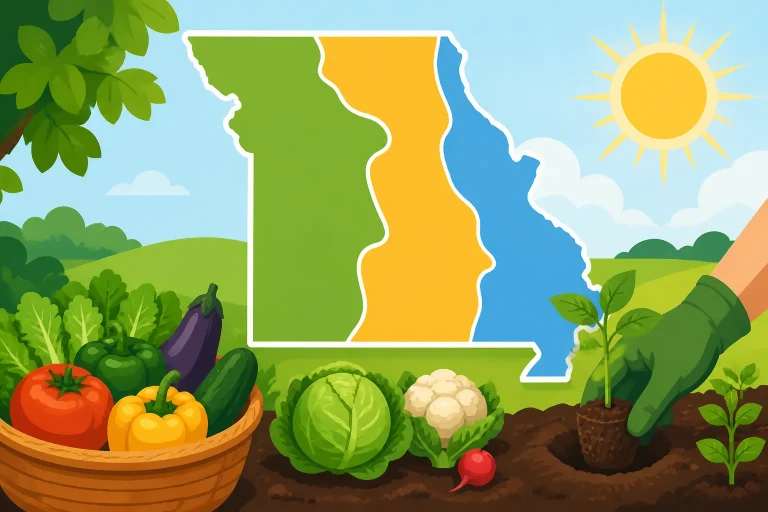
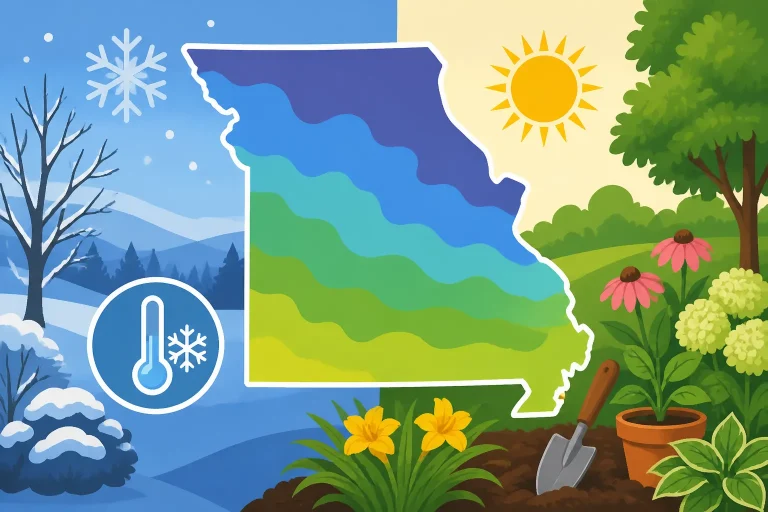
A calendar is useful for organizing work, but it cannot predict the weather in your yard. Northern Missouri generally moves into spring later and into autumn earlier than the south. Central Missouri falls between those broad patterns, while southern counties often have a longer stretch of suitable growing weather. Within each region, low spots, slopes, shade, wind exposure, and soil drainage can shift the timing further.
University of Missouri Extension says to use the dates given for your region in Table 2. Treat regional planting dates as a planning aid, then check conditions at your site before sowing or transplanting. For vegetables, that means considering not only the calendar but also the crop’s tolerance for cool weather, the soil’s condition, and the forecast. For ornamental plants, consider whether the plant is suited to the site and whether its roots will have a reasonable opportunity to establish.
For region-specific crop timing, see Missouri Vegetable Planting Dates: Regional Timing for Every Crop. If you are planning herbs as well as vegetables, Spring and Fall Planting Windows for Missouri Culinary Herbs can help you think about their separate seasonal needs.
A practical way to use a monthly calendar is to sort tasks into three groups:
- Ready to do: work that fits the season and the conditions in your garden, such as cleaning tools or planning beds.
- Condition-dependent: sowing, planting, pruning, and other tasks that should wait until soil or weather is suitable.
- Optional: projects you can postpone without harming the garden, such as adding a new bed or changing a planting layout.
Keep notes about what happened in your own garden. Record when a bed dried enough to work, when seedlings emerged, when a crop began producing, and which areas stayed wet or cold. Those observations help you adjust next season without assuming that every year will follow the same pattern.
January through March: plan, prepare, and start slowly
January
January is a good time to plan rather than hurry outdoors. Sketch the garden beds, note where last season’s crops grew, and decide which areas need changes. Rotating crop families between beds can help prevent the same kinds of crops from repeatedly using the same soil and can make it easier to organize planting. If the garden is small, even a simple record of what grew where is more useful than trying to rely on memory.
Review stored seeds and make a shopping list before buying more. Check that seed packets are legible and stored in a dry place. When choosing seeds, think about the space available, the amount of sun, your preferred harvests, and whether you can keep up with watering during hot weather. A compact plan is usually easier to maintain than a bed crowded with crops that all need attention at once.
If you are considering a new vegetable bed, use winter planning time to look at the site. Most vegetables need good sunlight, access to water, and soil that drains well enough for roots to grow. Avoid choosing a location simply because it is convenient if it stays soggy or is shaded for much of the day. If heavy clay or standing water is a recurring problem, compare site options before adding amendments or building a bed. Soil Prep and Fertility Basics for Missouri Vegetable Beds covers the groundwork that can make later planting easier.
Use a mild, dry day for basic tool care if it is convenient. Clean soil from hand tools, check that handles are secure, and set aside damaged equipment for repair. It is also a good time to inspect pots, trays, row-cover fabric, stakes, and plant supports. There is no need to prepare every item immediately; the aim is to notice what is missing before planting work becomes busy.
February
February can bring tempting warm spells, but a mild afternoon does not mean the soil is ready for planting. Check the bed rather than judging by air temperature alone. Soil that is wet and sticky can compact when walked on or worked, leaving a rough, hard surface that is difficult for young roots to penetrate. If a handful of soil smears easily or clings heavily to a tool, wait for it to dry.
Continue planning indoor seed starting, but avoid sowing merely because a packet is available. Seedlings need suitable light, temperature, and growing space. Sowing too early can produce tall, weak plants that are difficult to manage indoors and may be ready before outdoor conditions are suitable. Use crop-specific guidance to set your schedule; When to Start Seeds Indoors and Transplant Outdoors in Missouri explains how indoor sowing and outdoor planting fit together.
If you start seeds indoors, use clean containers and a suitable seed-starting medium. Keep labels with the trays so varieties do not get mixed up. Give emerging seedlings strong light and enough space to grow without leaning or crowding. Keep the medium moist but not waterlogged, and make sure containers can drain. Seedlings that stay too wet or lack adequate light often struggle long before they reach the garden.
February is also a sensible time to look over perennial beds and landscape plants without rushing to cut or prune everything. Some plants hold seed heads, stems, or foliage that protect growth or provide shelter. Before removing material, identify what is there and consider whether it is healthy, useful, or likely to interfere with new growth. For flowering shrubs and trees, pruning at the wrong stage can remove developing blooms, so check the plant’s flowering habit before cutting.
March
March is a transition month, not a single planting signal. Northern gardens may still feel wintry while southern sites begin to show more consistent signs of spring. Central gardens can swing between the two. Watch the garden itself: soil texture, standing water, emerging growth, and the forecast all matter more than a warm afternoon by itself.
As beds become workable, clear debris that could harbor disease or obstruct new growth. Remove dead annual plants and weeds, but avoid disturbing soil that is still saturated. If you are uncertain whether a plant is dead or simply slow to resume growth, give it time before cutting it back. A late return to growth is not necessarily a reason to replace a perennial.
Cool-season vegetables can be part of early spring planning, but readiness depends on local conditions and the crop. Sow or transplant only when the soil and weather suit the plant, and be prepared for cold snaps. Tender crops need more caution than crops that tolerate cool conditions. A temporary cover can help protect young plants during a short cold spell, but it does not make a garden immune to severe or prolonged cold. For more on adjusting plans when temperatures fluctuate, see Managing Seasonal Weather Swings in Missouri Vegetable Gardens.
Start hardening off indoor-grown seedlings when they are nearing transplant size and outdoor conditions allow a gradual adjustment. Move them into a sheltered outdoor spot for limited periods, then increase their exposure over time. Protect them from harsh wind, strong direct sun at first, and sudden temperature drops. A plant that has grown indoors needs a transition; moving it straight from a protected room into exposed garden conditions can set it back.
March is also a good month to check drainage paths and prepare support structures before plants need them. Repair trellises, clean stakes, and make sure hoses or watering equipment reach the garden. If spring rain leaves a bed persistently saturated, wait to work the soil and consider whether the site needs a longer-term drainage solution.
April and May: plant with the weather, not the holiday calendar
April
April is often when garden plans turn into outdoor work, but the timing varies across Missouri and from year to year. A warm stretch can be followed by chilly nights, and wet soil may remain unworkable even when the air feels mild. Check the forecast and the actual condition of the bed before planting. If the soil is cold, waterlogged, or easily compacted, waiting can be better for seeds and roots than pushing ahead.
Plant cool-season crops when regional guidance and local conditions support them. In exposed gardens, consider whether young plants need protection from wind or a sudden chill. Low areas can be colder than nearby higher ground, and a sheltered bed can warm differently from an open one. Those small site differences help explain why a neighbor’s planting date may not work for your garden.
For indoor-grown vegetables, transplant only after hardening off and when the crop is suited to outdoor conditions. Set plants at the depth and spacing recommended for that crop, water them in, and keep an eye on moisture as they settle. Newly planted roots are not yet able to explore much soil, so a bed that looks damp on the surface may not provide consistent moisture around the root zone. Hardening and Transplanting Missouri Spring Crops Outdoors offers more detail on the transition.
April is also a useful time to remove emerging weeds before they become established. Pull or hoe weeds when the soil is workable and avoid scattering mature weed seeds. In vegetable beds, disturb only the surface needed to remove weeds so you do not bring up more buried seed than necessary. Mulch can help suppress weeds once the soil is ready and plants are established, but keep it from smothering seedlings.
For flowers and ornamental beds, assess what is returning before making a full cleanup. Remove damaged or diseased material as appropriate, but do not assume every bare patch is a dead plant. Spring growth can be uneven. If you are adding new plants, choose those suited to the available light, soil moisture, and space. A plant that matches its site usually needs less correction later.
May
May can feel like the beginning of summer, especially in southern Missouri, but late cold conditions remain a consideration for tender plants. Do not use a holiday or a single warm week as a guarantee that every crop is ready. Check local planting guidance and the forecast, then match the decision to the crop. Tomatoes, peppers, cucumbers, and other heat-loving plants need different conditions from cool-season greens.
If you are transplanting tender vegetables, wait until the plants are hardened off and the site is suitable. Handle seedlings gently, avoid planting into dry or saturated soil, and water after transplanting. Give each plant enough room for airflow and future growth. Crowding can make it harder to reach plants for harvesting and can keep foliage damp longer after rain or watering.
May is a good time to set up supports before vining or tall crops become difficult to manage. Install cages, trellises, or stakes while roots are small and the soil is easy to work. Check that supports are stable, and position them so they do not block access to paths or neighboring plants. Adding support after a plant has grown large can damage stems or roots.
Keep newly planted beds evenly moist while plants establish, adjusting for rainfall and soil type. Sandy or raised beds may dry faster than heavy soil, while clay can stay wet beneath a dry-looking surface. Do not assume that a brief shower has soaked the root zone. Check the soil near the plants rather than watering solely by routine. If surface dryness is misleading, Why Dry Surface Soil Can Deceive Missouri Gardeners explains what to look for.
Thin direct-sown crops where needed, following the crop’s recommended spacing. Crowded seedlings compete for light, water, and nutrients; leaving too many in place rarely results in a bigger harvest. Keep an eye out for feeding damage and unusual leaf changes, but identify the problem before taking action. Not every hole or blemish requires treatment. If you suspect a pest, compare the pattern of damage with likely causes and protect beneficial insects where possible.
June through August: keep crops productive through heat
June
June is a busy month for harvesting, watering, weeding, and keeping plants supported. Early crops may be ready to pick, while warm-season vegetables are growing quickly. Harvest vegetables when they are at the stage suited to eating, rather than waiting until every fruit or pod is oversized. Regular picking encourages continued production for many crops and helps prevent ripe produce from being wasted.
Water according to the condition of the soil and the needs of the plants. New plantings and containers can dry faster than established beds. Clay soils may absorb water slowly or shed it if the surface is hard and dry, so apply water in a way that allows it to soak in rather than run off. If leaves wilt during the hottest part of the day, check the soil before assuming the plant needs water; heat stress and dry soil can look similar.
Weed while unwanted plants are small, and mulch bare soil where appropriate. Mulch can moderate soil moisture and make routine weeding easier, but piled mulch can interfere with stems and crowns. Keep it arranged so water can reach the soil and plants are not buried. Recheck beds after heavy rain, which can shift mulch or leave low areas standing in water.
As crops grow, inspect leaves and stems for signs of trouble. Look at both sides of leaves, the soil around the plant, and the pattern across the bed. A problem limited to one plant may have a different cause from damage affecting an entire row. Remove badly affected plant parts when appropriate, improve airflow by maintaining spacing, and avoid applying a pesticide unless the problem is identified and the product is suitable. Any pesticide must be used according to its label.
June is a good time to make notes about which crops are thriving in particular parts of the garden. A sunny, well-drained spot may suit a heat-loving crop, while a bed that stays moist may work better for another planting. These observations can guide future bed planning and help avoid repeating a poor match between plant and site.
July
July brings intense heat and periods when rain may be uneven. Check plants frequently, especially containers, recently transplanted crops, and beds with shallow or fast-draining soil. Water based on root-zone conditions rather than surface appearance. Where water runs off, slow the application and allow time for it to soak in. Avoid splashing soil onto foliage when possible, particularly when leaves are already wet or disease has been a problem.
Harvest regularly and remove produce that is overripe or damaged. Keep picking beans, squash, tomatoes, and other productive crops at a suitable stage. For crops that have finished, remove spent plants rather than leaving diseased or pest-damaged material in the bed. Healthy plant residue may be managed differently from material carrying a persistent disease problem; use judgment and avoid spreading unhealthy debris around the garden.
Heat can affect fruit set, flavor, texture, and plant growth. A plant that slows down during a hot stretch may recover when conditions improve, provided its roots are healthy and moisture is adequate. Do not respond to every pause in growth with fertilizer. First check water, drainage, root health, and signs of pests or disease. Too much fertilizer can create additional stress and does not correct every cause of poor growth.
July is also a good time to plan a fall garden. Decide which areas will open up as spring crops finish, choose crops suited to the remaining growing conditions, and check their expected maturity against your regional planting guidance. Do not assume that a crop will mature simply because it can be sown; the available season, temperature, and rate of growth matter. For fall planning, Planning a Missouri Home Garden for Summer and Fall Fruit is useful if you are also managing fruit.
Keep soil covered where practical. Living plants, mulch, or a planned follow-up crop can limit bare, exposed ground and reduce the time weeds have to establish. If a bed is temporarily empty, decide whether to prepare it for another crop, let it rest, or use a cover crop suited to your plan. Choose the option that fits the remaining season and the garden’s needs rather than leaving the decision until the bed is already overgrown.
August
August can still be hot, but it is also a key month for keeping later crops on schedule. Sow or transplant fall crops according to regional guidance and the needs of each plant. Seeds may need steady moisture to germinate in warm, dry soil, so keep the seedbed from drying out while they establish. A light covering or temporary shade can reduce drying in some situations, but ensure seedlings receive the light and airflow they need.
Do not judge a fall planting only by the date it was sown. Consider how long the crop takes to mature, whether it tolerates cool weather, and how quickly it grows as days become shorter and temperatures change. Some crops can be harvested young; others need time to form a substantial root, head, or fruit. Choose accordingly, and prioritize crops that fit your available space and schedule.
Continue to harvest summer crops and remove plants that have stopped producing or are badly damaged. Clear debris from beds before sowing new seed. If a crop showed disease, avoid moving its residue into a place where it might spread the problem. Clean tools after working with affected plants, and keep newly prepared seedbeds free of weeds while seedlings emerge.
Late summer is also a time to assess soil moisture carefully. A dry surface can hide wetter soil below, while a brief rainfall may not reach deep roots. Check around the root zone and pay attention to how quickly different beds dry. Container plants may need more frequent attention because their limited soil volume heats and dries faster than in-ground beds. For a deeper look at garden containers, see Summer Watering Frequency for Missouri Patio Pots.
Prune only when you know the plant and the reason for pruning. Removing dead, broken, or diseased material is different from shaping a shrub or cutting back a flowering plant. Pruning at the wrong time can remove future blooms or expose tender growth to stress. When uncertain, identify the plant and check guidance for its growth and flowering habits before making substantial cuts.
September and October: harvest, replant, and prepare for colder weather
September
September often brings a shift in daily conditions, but the garden does not change on a fixed schedule. Southern Missouri may retain summer warmth longer than northern Missouri, and local elevation or exposure can alter how quickly a garden cools. Continue caring for fall crops and harvest summer vegetables while plants remain productive.
Watch for signs that warm-season plants are slowing down. Remove damaged foliage, collect remaining usable produce, and clear plants that are no longer healthy or productive. If a crop is still producing well, there is no need to remove it simply because the month has changed. Instead, follow the forecast and the crop’s sensitivity to cold.
Keep fall seedlings watered as they establish, but do not keep beds continually saturated. Cool-season crops may benefit from more moderate temperatures, yet they still need healthy roots and good drainage. Remove weeds before they compete with the crop or set seed. If a bed will remain unused, plan how to keep it from becoming a bare, weedy patch.
September is also a good time to review the garden’s performance. Note which crops produced well, which were difficult to maintain, and where pests or disease were concentrated. Think about whether the problem came from the plant choice, site, watering, crowding, or weather. A short record is more useful than a vague note that the season was good or bad.
If you have fruit trees or berry plants, check their condition and harvest needs separately from the vegetable garden. Keep fallen, damaged fruit from accumulating where it can attract pests or encourage disease. Garden cleanup should be selective: remove diseased debris, but do not strip healthy plants or soil cover without a reason.
October
October is a month for continuing harvest and making sensible changes as the growing season winds down. Pick mature crops before cold weather damages them, and keep checking fall vegetables for readiness. If a crop is still developing, consider whether a temporary cover is suitable for the conditions and the plant. Covers can help during some cool spells, but they cannot guarantee protection from every freeze or prolonged cold.
Remove spent annual vegetables and flowers, especially plants that are diseased or heavily damaged. Sort garden material thoughtfully. Healthy residue may be compostable depending on the composting method, while diseased material may need a different disposal approach. Avoid leaving a mat of infested or rotting debris in a bed where it can complicate future planting.
Do not rush to cut down every perennial or ornamental plant. Some can remain standing through colder weather, providing structure and habitat while protecting their crowns. Others may need selective cleanup for health or appearance. Identify plants before cutting them back, and take special care with species whose stems or foliage help protect new growth.
October can be a useful time to plant some trees, shrubs, and perennials when conditions and plant type are suitable, but planting is not automatically appropriate for every species or site. Check that the soil drains, the plant is suited to the location, and roots can be watered as needed. Do not bury the root flare of a tree or place a plant deeper than its growing requirements call for. If soil is too wet to work without smearing or compaction, wait for a better opportunity.
As beds empty, decide whether to prepare them for winter or for another planting. Remove weeds before they produce seed, and consider protecting bare soil with an appropriate mulch or cover crop. If you plan to sow a cover crop, use region- and crop-specific guidance so it has a reasonable chance to establish. For more, see How Fall Cover Crop Timing Differs for Grasses vs Legumes.
November and December: finish carefully and plan the next cycle
November
November is a time to complete cleanup without stripping the garden bare unnecessarily. Remove diseased plants and weeds that would otherwise persist, but consider leaving healthy stems or seed heads where they provide useful cover. If you prefer a tidier garden, focus cleanup on paths and areas where debris causes a practical problem, while leaving selected plants standing.
Drain and store hoses or other equipment that could be damaged by cold. Clean tools and put away seed packets, labels, and supplies in dry storage. Note any supports or structures that need repair before spring. These modest tasks make it easier to restart work when the weather turns.
Protect soil where beds are exposed. Mulch can reduce erosion and limit weed pressure, but keep material away from the bases of plants that are vulnerable to excess moisture or rot. In vegetable beds, the best approach depends on whether you plan to plant again, use a cover crop, or leave the ground resting. Avoid walking repeatedly over wet soil; compaction can remain a problem after the surface dries.
Continue to harvest cold-tolerant crops while they remain in good condition. Check plants after a cold spell and remove produce that has become damaged or rotted. Store harvested vegetables according to their needs rather than leaving them exposed outdoors. If you are unsure about storage conditions for a crop, check crop-specific advice instead of assuming all vegetables keep best in the same place.
December
December is mostly a planning and maintenance month for many outdoor gardens, though mild periods can still allow small tasks. Review the notes you made during the growing season and identify what you want to repeat, change, or stop. Consider whether the garden needs more accessible paths, better watering access, improved drainage, or a different crop layout.
Plan seed purchases around realistic space and care capacity. It is easy to choose more crops than a garden can support, especially when seed catalogs make every option appealing. Choose plants that suit your sunlight, soil, and schedule. If a crop struggled because the site was too shady or wet, changing the planting location may matter more than choosing a different seed packet.
Check stored tools, containers, and garden structures. Replace or repair items before planting season, and clean reusable pots before starting seeds. If you plan to grow seedlings indoors, decide where they will receive suitable light and how you will keep them watered without creating a cluttered or poorly ventilated setup.
Use winter to learn about the crops or plants that gave you trouble. Diagnose recurring problems from the evidence you recorded rather than making a guess based on one damaged leaf. Consider water, soil conditions, pest activity, plant spacing, and weather together. For broader troubleshooting, Diagnosing Plant Health Problems in Missouri Gardens can help you think through possible causes.
A calendar should guide decisions, not lock them in. North, central, and south Missouri share many gardening tasks, but the right moment to do each one depends on regional planting guidance and the conditions at your site. Build a routine around observation: check the soil before working it, match planting to crop needs, protect young plants when conditions call for it, and adjust when the season behaves differently than expected.
Frequently Asked Questions
Should I use the same planting dates across Missouri?
No. Use regional planting guidance for the county where your garden is located, then adjust for the conditions at your site. Northern, central, and southern gardens do not always reach suitable planting conditions at the same time.
Can I start planting as soon as the weather turns warm?
Not necessarily. A warm spell does not confirm that soil is workable or that tender crops can tolerate conditions outdoors. Check the forecast, soil condition, and crop needs before sowing or transplanting.
What should I do if my garden is behind schedule?
Prioritize crops that can still mature under the remaining conditions, and choose varieties or harvest stages that fit the time available. You can also focus on crops that tolerate cooler weather rather than trying to force a late planting of a heat-loving crop.
Do I need to clean every bed completely in autumn?
No. Remove diseased plants and weeds that may cause problems, but consider leaving healthy perennial stems or seed heads when they provide useful winter structure or cover. Cleanup needs vary by plant and garden goal.
How can I make this calendar more useful next season?
Keep brief notes on planting, emergence, harvest, soil moisture, and problems in different parts of the garden. Those records help you adjust timing to your own site while still using regional guidance as a starting point.
Disclaimer
This article is for general informational purposes only and does not constitute professional advice. Laws, prices and regulations vary by location and change over time. Consult a qualified professional for guidance on your specific situation. Missouri Gardening Guide is not a government agency and is not affiliated with any university extension, state department of agriculture or other government agency.