When to Plant Spring and Fall Vegetables in Springfield
Springfield gardeners face two different timing problems: spring crops need a start that accounts for lingering cold, while fall crops need enough growing time before autumn freezes. A single calendar date cannot solve both. Use crop-specific planting windows, local frost information, and the condition of your soil to build a schedule that can flex with the weather.
How to Read a Springfield Planting Calendar
A planting calendar is a planning tool, not a promise about what the weather will do. It helps you organize sowing and transplanting around the needs of different crops, but the best day to plant can shift with a cold spring, a wet garden bed, or an unexpectedly hot stretch.
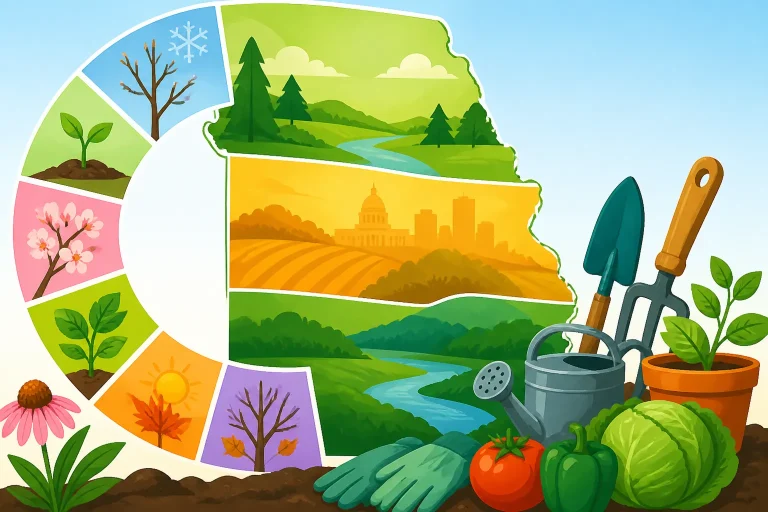
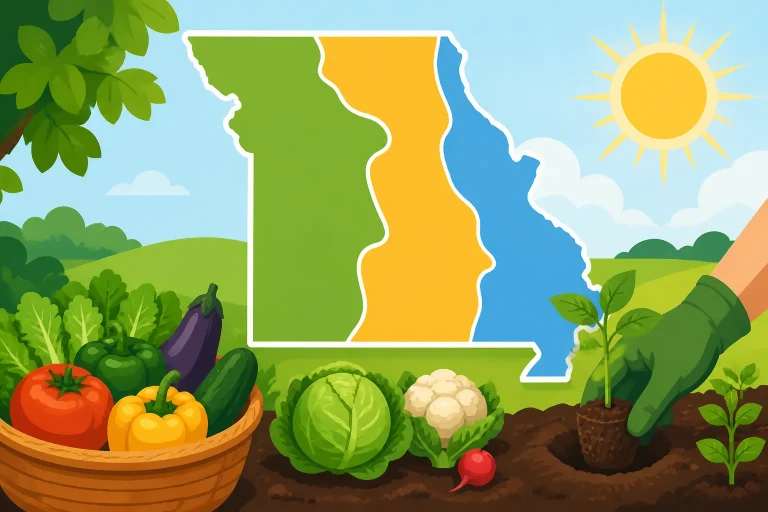
Springfield sits in the Ozark Plateau area. The University of Missouri Extension advises gardeners in the Ozark Plateau area to use north planting dates. For crop-by-crop timing, compare the regional guidance in Missouri Vegetable Planting Dates: Regional Timing for Every Crop with the local overview in Springfield Missouri Planting Calendar for Home Gardens.
It helps to separate three decisions that are often treated as one:
- When to sow: The seed packet or crop guidance can indicate whether a vegetable is suited to direct sowing or usually started indoors.
- When to transplant: A seedling may be ready to move outdoors before outdoor conditions are right for it. Hardening off and checking the forecast help bridge that gap.
- When conditions are suitable: Soil that is workable and not waterlogged is a better starting point than a calendar date alone.
The distinction matters because the freeze date is only one piece of the timing picture. It does not tell you whether the soil is warm enough for a heat-loving crop, whether a garden bed is too wet to work, or whether a newly transplanted seedling is prepared for outdoor conditions. Why Hardiness Zones Differ From Spring Planting Dates explains why a zone label and a planting window answer different questions.
It is also useful to plan by crop group rather than by treating all vegetables as if they share the same schedule. Cool-season crops can generally tolerate cooler conditions than warm-season crops. Some vegetables are commonly sown directly in a bed; others are often started indoors and transplanted. Within a group, individual crops still differ, so a local crop calendar and the seed packet are better guides than a broad rule such as “plant everything in spring.”
Use frost information as context, not a guarantee
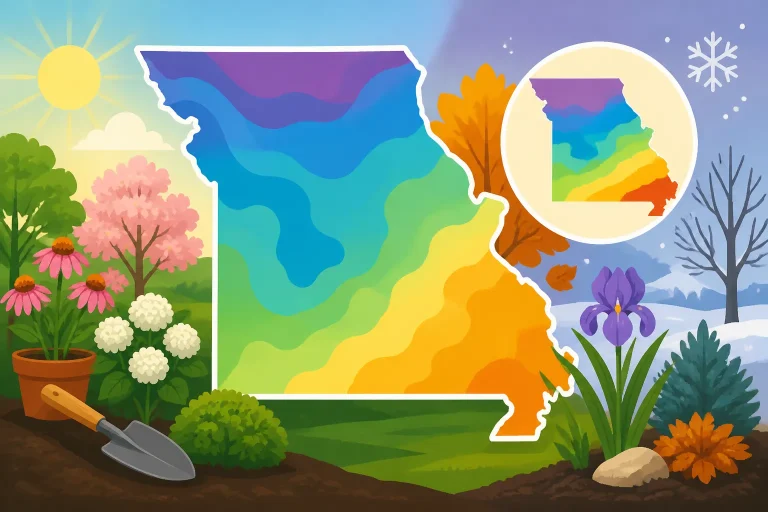
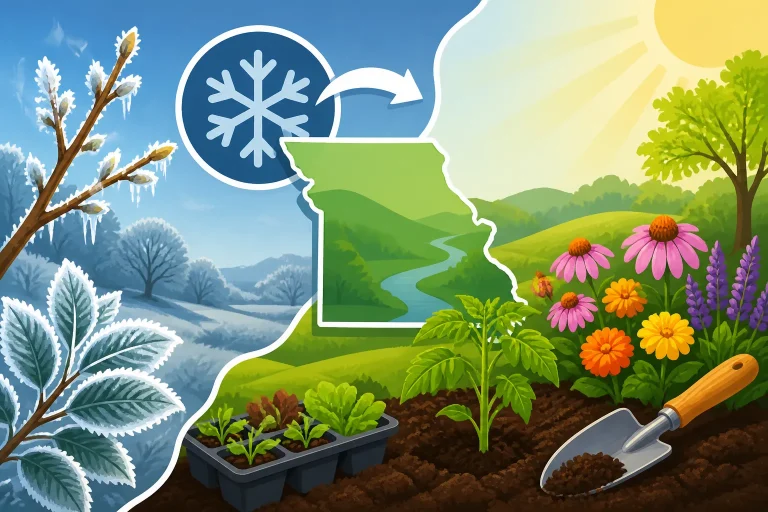
At the Springfield weather station in Missouri, NOAA National Centers for Environmental Information lists the 1991–2020 normal last spring freeze (32°F) at 50% probability as 04/09 (April 9). That probability describes a historical chance, not a guaranteed last freeze for a particular spring. Weather can turn colder after a typical date, and a garden’s exposure can differ from the station’s conditions.
For practical planning, treat a frost statistic as one signal among several. Check the forecast close to planting time, especially before moving tender seedlings outdoors. A low-lying spot, an exposed bed, and a sheltered site may not experience the same conditions on the same night. Missouri Frost Dates and Hardiness: Master Planting Calendar and Spring Planting in Missouri: Timing Around Late Frosts offer more context for using spring freeze information without assuming that a normal date is a safe deadline.
Spring Vegetables: Match the Crop to the Conditions
Spring planting usually works best as a sequence rather than a single planting day. Begin with vegetables that tolerate cool conditions, then move toward crops that need warmer soil and more settled nights. The order is more reliable than trying to put every seed and transplant into the garden as soon as the first mild spell arrives.
Start with cool-season crops
Leafy greens, peas, radishes, and other cool-season vegetables are natural candidates for the earlier part of a spring plan. They can make use of cooler weather, but that does not mean they should be sown into soil that is saturated, compacted, or difficult to work. If a handful of soil smears heavily or clumps into a wet mass, wait for the bed to dry enough to loosen without damaging its structure.
Direct sowing can be convenient for vegetables that do not need an indoor head start. Make a shallow, prepared row or bed according to the seed packet, and keep the seedbed evenly moist while seeds germinate. If surface soil dries quickly, check below the surface rather than judging moisture by appearance alone. Why Dry Surface Soil Can Deceive Missouri Gardeners describes why the top of a bed can give a misleading impression of conditions around seeds and roots.
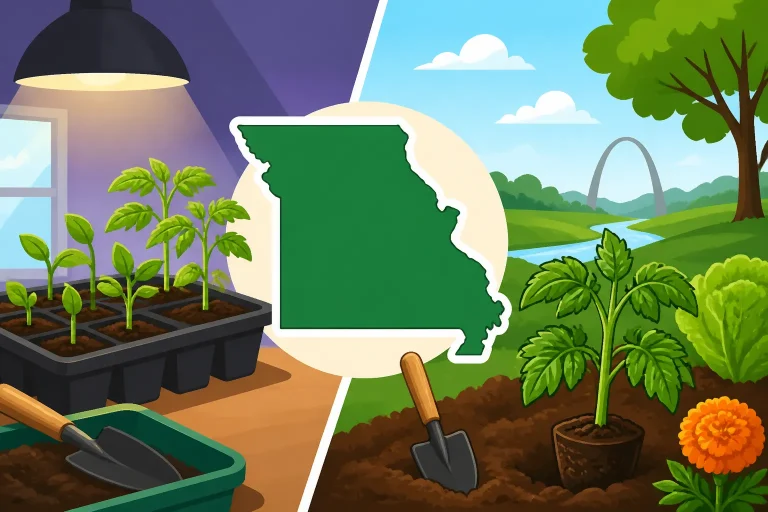
Transplants offer a different way to get cool-season crops established. Before moving them outside, expose seedlings gradually to outdoor light, wind, and temperature changes. This hardening-off step can reduce the shock of a sudden move from a protected indoor environment to an open bed. For the practical details, see Hardening and Transplanting Missouri Spring Crops Outdoors.
Hold warmth-loving crops until their conditions arrive
Tomatoes, peppers, cucumbers, squash, melons, and similar heat-loving vegetables need a different approach from peas or leafy greens. A run of warm afternoons can make a garden feel ready, but the air may cool again, and soil can remain chilly. Planting tender seedlings too early can stall their growth or expose them to damaging cold.
For these crops, look beyond a pleasant afternoon. Consider the near-term forecast, soil conditions, and whether the plants have been prepared for outdoor life. A transplant that has been hardened off and placed into suitable conditions has a better chance of establishing than one moved directly from a sheltered space during a brief warm spell.
Starting seeds indoors can give gardeners more control, but indoor sowing is not automatically better for every vegetable. A seedling can become weak or crowded if it spends too long in a small container or receives inadequate light. Direct sowing is simpler for crops that establish well in place, while transplants can be useful when a crop benefits from a head start or when a gardener wants to manage early growth under protection. Compare those options in When to Start Seeds Indoors and Transplant Outdoors in Missouri and Starting Seeds Indoors vs Buying Garden Transplants.
Make a small planting plan, then adjust it
Rather than planting every bed at once, divide spring planting into manageable rounds. Prepare the bed and sow a suitable cool-season crop when conditions permit. Keep tender crops on hold until their needs and the forecast line up. If a cold spell is predicted, delay planting or protect young plants in a way appropriate for the crop and the expected conditions.
This approach also makes it easier to respond when spring does not follow a neat pattern. If a stretch of cold weather interrupts planting, the whole garden is not lost; you can continue when the soil and forecast improve. If a bed is too wet, work on another part of the garden or prepare containers instead of compacting the soil. The point is not to follow a rigid sequence by the calendar, but to match each crop to the conditions it can handle.
Fall Vegetables: Work Backward from the End of the Season
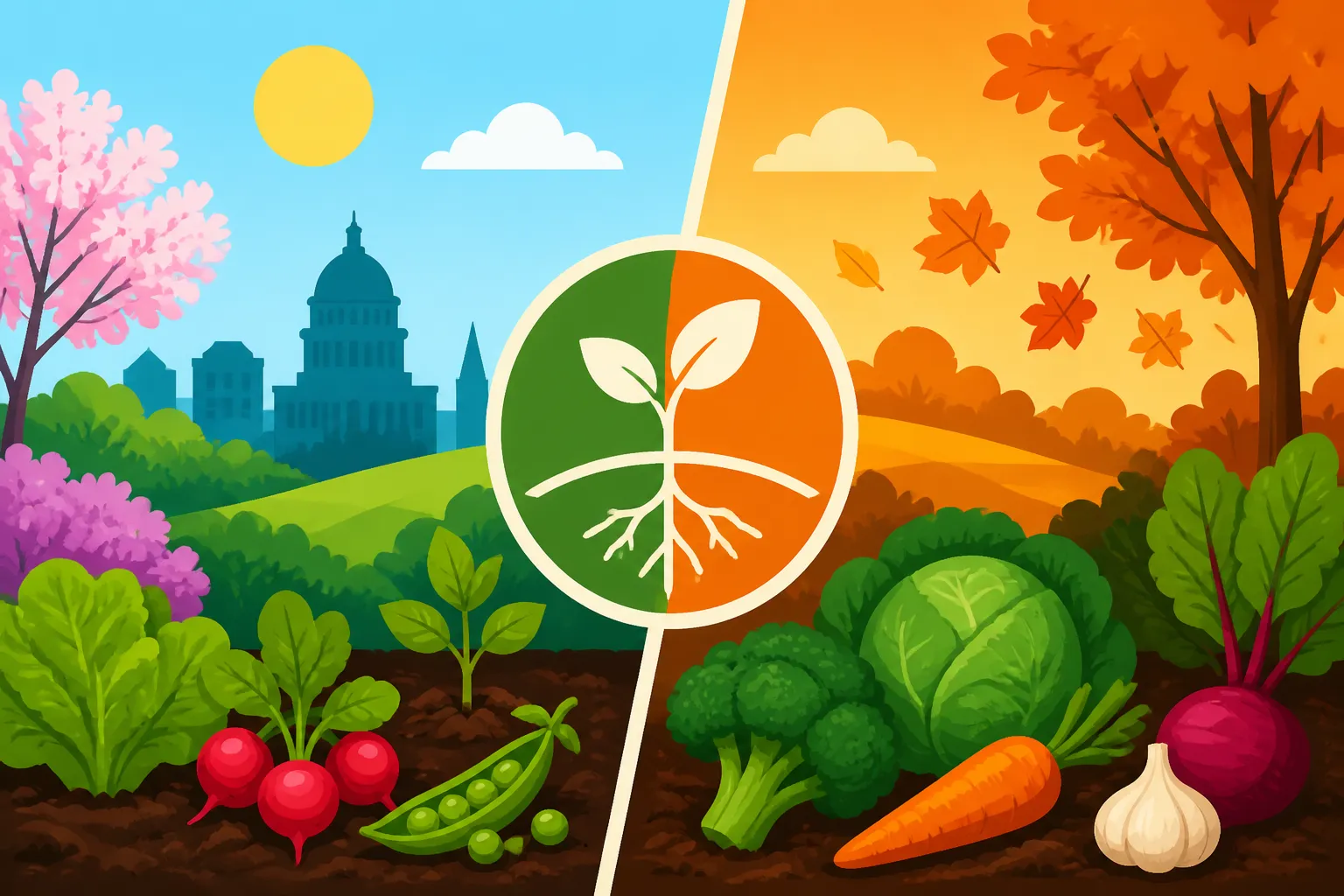
Fall gardening is planned in the opposite direction from spring gardening. In spring, many gardeners wait for conditions to improve. For fall crops, the challenge is to give plants enough time to establish and mature before cold weather slows growth or ends the harvest.
Start by choosing the vegetables you want to harvest, then check each crop’s expected time to maturity and whether it is better suited to direct sowing or transplanting. Use that information to work backward from the expected end of your local growing season. A crop that takes longer to mature needs an earlier start than a quick-growing crop, while a crop harvested for leaves may offer more flexibility than one that must form a mature root or head.
The seed packet is useful here, but it is not a complete local calendar. Its maturity estimate assumes suitable growing conditions, and late-season heat, dry soil, shade, or slow emergence can affect progress. A crop may also grow more slowly as daylight and temperatures change. For regional scheduling, use Planning a Missouri Home Garden for Summer and Fall Fruit only if planning fruit; for vegetables, refer to Planning a Missouri Home Garden for Summer and Fall Fruit—no, the relevant vegetable resource is Planning Sowing Dates for Both Spring and Fall Vegetable Harvests and Timing Missouri Fall Greens and Roots by Region Planting Dates.
Choose crops that fit the remaining growing window
Fall beds can include leafy greens, roots, and other crops suited to cooler weather. The right mix depends on how much time remains, what the garden can support, and whether you want a quick harvest or a longer one. Avoid choosing crops only because they performed well in spring: the shortening season changes the conditions in which they will grow.
If a crop’s maturity estimate seems too close to the expected end of the season, choose a faster option, start with transplants when appropriate, or prioritize a crop that can be harvested at an earlier stage. This is a practical way to manage uncertainty without trying to predict the exact date of the first hard freeze. A late planting can still be worthwhile, but the likely harvest may be smaller or less mature.
For a crop-by-crop approach, Fall Crop Schedules: Counting Back From Your Average First Freeze explains the backward-planning method, while Will Late-Planted Fall Vegetables Beat the First Autumn Frost? helps set realistic expectations when planting is delayed.
Prepare for summer conditions before sowing
Fall planting often begins while summer weather is still present. Seeds may struggle if the bed dries quickly or becomes very hot. Before sowing, clear spent plants and weeds, loosen the surface as appropriate, and make sure the seedbed can be kept moist. Mulch can help manage moisture, but keep it from blocking newly sown seeds or smothering emerging seedlings.
If a bed has recently held a heavy-feeding crop or has drainage problems, address those conditions before using it again. A crowded, diseased, or persistently wet bed can make an already time-sensitive fall planting more difficult. Removing unhealthy plant material, improving airflow, and avoiding repeated planting of the same crop family in the same spot can help reduce avoidable problems. Preventing Disease in Your Missouri Home Vegetable Garden covers general bed practices that support healthier crops.
Be ready to water carefully during establishment. Seeds need consistent moisture to emerge, but frequent surface wetting without checking deeper soil can encourage shallow roots or leave the bed unevenly moist. Water according to what the soil needs, and adjust to rainfall and the texture of the bed. Did That Quick Summer Rain Really Water Your Garden? offers a useful reminder to check whether rain actually reached the root zone.
A Practical Spring and Fall Crop Comparison
The table below is a planning aid, not a substitute for crop-specific regional dates. Use the crop’s own guidance and seed packet to refine the timing.
| Crop group | Spring approach | Fall approach | What to check |
|---|---|---|---|
| Leafy greens | Consider sowing or transplanting when the bed is workable and cool conditions suit the crop | Choose crops and planting windows that allow establishment before colder weather slows growth | Whether the crop is direct-sown or commonly transplanted; soil moisture |
| Peas | Plan for the cool part of spring and avoid working a saturated bed | Check whether the available growing window suits the crop before starting a late planting | Seed packet guidance and the condition of the bed |
| Radishes and other quick roots | Use as an early-season option when soil is ready for sowing | Consider them where a shorter time to harvest fits the remaining season | Days to maturity on the packet and consistent moisture |
| Carrots and other longer roots | Allow for slower establishment and avoid letting the seedbed dry out | Start early enough for the roots to develop before growth slows | Germination conditions, soil texture, and the crop’s maturity estimate |
| Tomatoes and peppers | Wait for suitable warmth and prepare transplants for outdoor conditions | Usually less suitable for a late start unless the remaining season and crop stage allow it | Forecast, soil warmth, transplant condition, and time to maturity |
| Cucumbers, squash, and melons | Favor suitable warm conditions rather than a brief warm spell | A late planting may have limited time to mature; check the crop’s expected development time | Soil warmth, bed moisture, and the maturity information on the seed packet |
| Beans and corn | Match planting to suitable conditions for the crop and avoid planting into cold, wet soil | Compare the expected maturity time with the remaining season before sowing | The specific variety’s guidance and the likely time available |
The table’s broad categories are useful for organizing a garden, but they should not be treated as exact dates. Two crops in the same category can differ in maturity time, and variety choice can change how much growing time a planting needs. Always use the instructions for the specific seed or transplant rather than transferring timing from one vegetable to another.
Keep the plan flexible
A flexible schedule can include a preferred planting window and a backup choice. If a spring bed remains wet, delay direct sowing rather than compacting the soil. If a fall planting is running late, choose a crop with a shorter maturity estimate or harvest some vegetables young when that suits the crop. These adjustments are more useful than trying to force the original plan through unsuitable conditions.
Succession sowing can also spread out a harvest. Instead of sowing an entire bed at once, make separate plantings when the crop and season allow. This can help avoid a glut of produce and reduce the risk of losing a whole planting to one difficult weather period. The interval between plantings should be guided by the crop’s growth rate and local conditions rather than by a universal schedule. See Missouri Succession Sowing for April-to-October Vegetable Beds for more on planning repeat sowings.
If you are choosing between a spring and fall planting for the same crop, compare not just the planting window but also the growing conditions. Spring offers lengthening days but can bring sudden cold and wet soil. Fall brings cooler weather that many leafy crops favor, but the time available is shrinking. That difference is why the same vegetable may be easier to grow in one season than the other.
Build a Calendar That Works in Your Garden
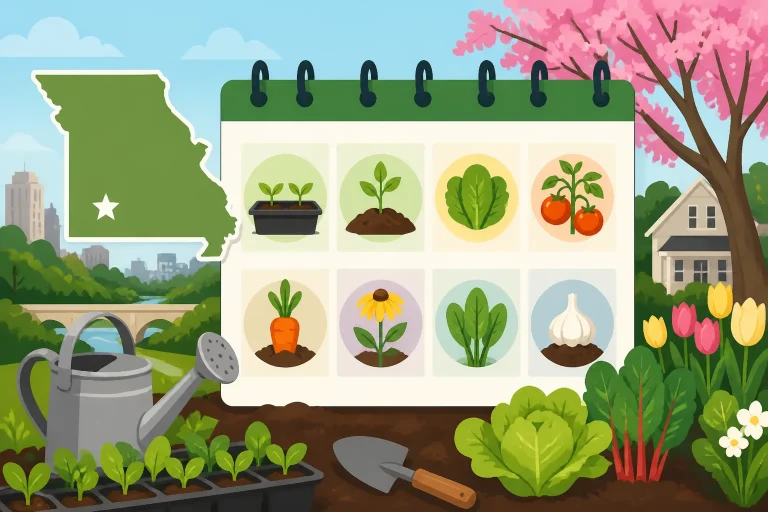
A useful Springfield calendar combines regional recommendations with what is happening in the specific garden. Start with a crop list, then note whether each vegetable is direct-sown or transplanted, whether it tolerates cool conditions, and how long it needs to mature. Use local planting guidance to identify likely windows, then refine those windows based on soil, weather, and the condition of the plants.
Use records to improve next season
Keep a simple record of what you planted, when the bed was ready, and what happened afterward. Note whether seeds emerged well, whether transplants established, and when harvest began. Record problems such as poor germination, cold damage, or a bed that stayed wet. The goal is not to create a perfect forecast, but to learn which parts of your garden tend to be ready early or late and which crops fit your routines.
A record can also show where a calendar needs adjustment. If a crop repeatedly matures later than expected, choose a variety with a shorter maturity estimate, start it earlier when conditions permit, or give it a more favorable location. If an early planting repeatedly suffers from cold, hold it until conditions are more dependable or use suitable protection. Managing Seasonal Weather Swings in Missouri Vegetable Gardens provides additional context for adapting to changing conditions.
Check the site, not only the station
A weather station provides valuable regional information, but the garden itself can have warmer or colder pockets. Low areas may collect cold air or remain wet longer; a sunny, sheltered bed may warm sooner than an exposed site. Shade, wind, soil texture, and drainage also affect how quickly a bed becomes suitable for planting.
This is why checking the garden directly matters. Feel and inspect the soil before preparing a bed. Look at the forecast before moving vulnerable plants outdoors. If a crop is already growing, observe whether it is establishing or struggling instead of relying on the original schedule. For more on local variation, see Do River Bottom Garden Plots Frost Earlier Than Higher Ground? and Why Elevation Changes Freeze Timing Across Rolling Landscapes.
The most reliable plan for spring and fall vegetables in Springfield is therefore a combination: use the regional planting dates as a starting point, check crop-specific needs, and adjust to the conditions in your own garden. A calendar can narrow the decision, but it cannot replace observation.
Frequently Asked Questions
Should every vegetable go into the garden at the same time?
No. Cool-season vegetables and heat-loving vegetables have different needs. Use crop-specific guidance, and consider whether each vegetable is direct-sown or transplanted.
Does a normal last spring freeze date guarantee frost-free weather?
No. A normal is a historical guide, not a promise about the coming season. Check the forecast before planting tender crops, and be prepared to delay or protect them when cold weather is expected.
Can fall vegetables be planted after summer ends?
They can, but the crop needs enough time to establish and mature before colder conditions slow growth. Check the maturity estimate for the specific crop and compare it with the growing time likely to remain.
What should I do if my planting window has passed?
Choose a crop with a shorter maturity estimate, use a suitable transplant if one is available, or shift the bed to another crop. A late planting may still produce, but plan for a harvest that could be smaller or less mature.
Sources
- University of Missouri Extension — Vegetable Planting Calendar | MU Extension (checked November 15, 2026)
- NOAA National Centers for Environmental Information — NOAA NCEI 1991–2020 Climate Normals — Springfield, Missouri (checked November 14, 2026)
Disclaimer
This article is for general informational purposes only and does not constitute professional advice. Laws, prices and regulations vary by location and change over time. Consult a qualified professional for guidance on your specific situation. Missouri Gardening Guide is not a government agency and is not affiliated with any university extension, state department of agriculture or other government agency.